
Cluster Lab-Grown Diamond Engagement Rings
-
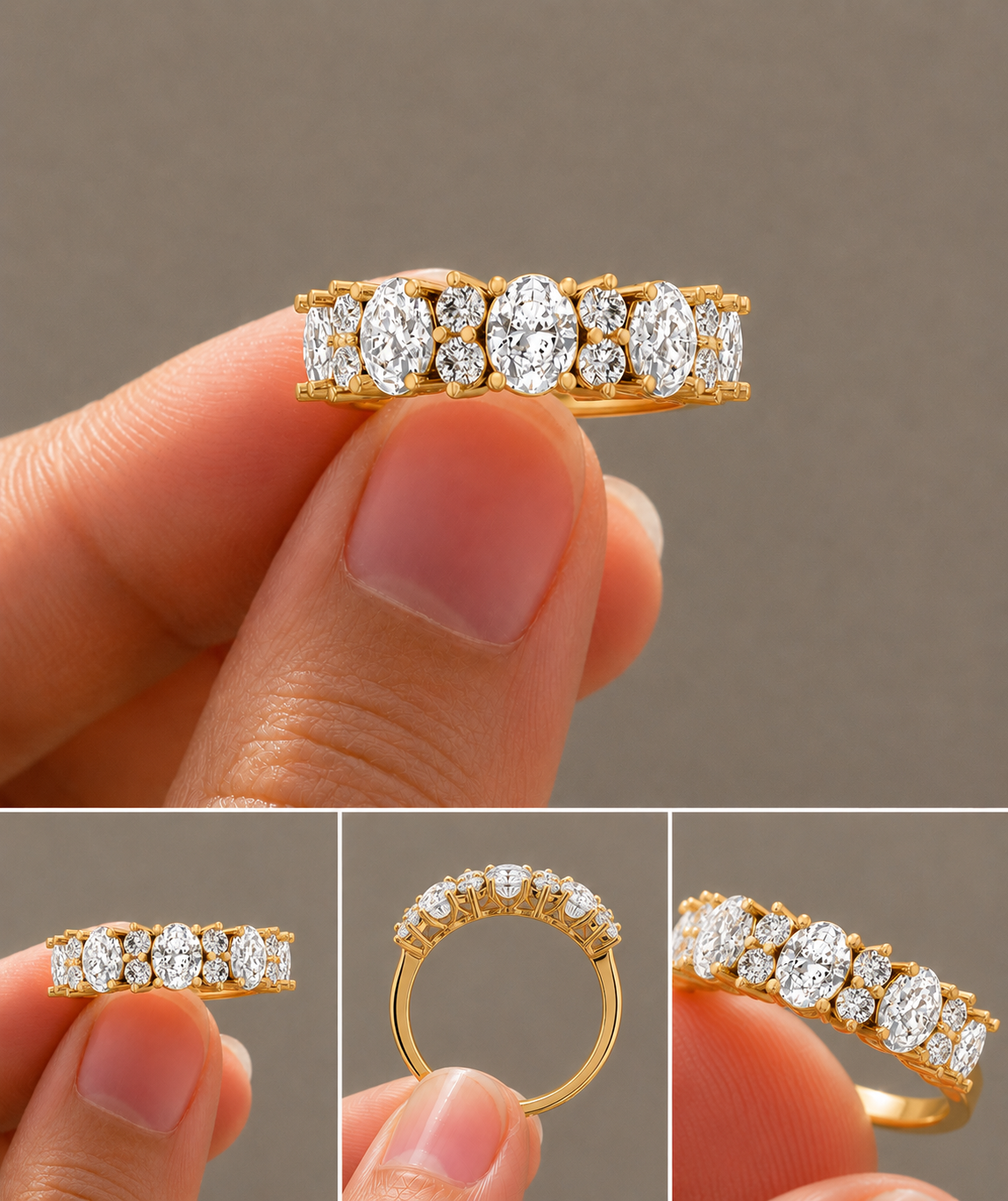
Oval and Double Round Half Eternity Band | Lab-Grown Diamond
Regular price From Rs. 117,147Regular price -
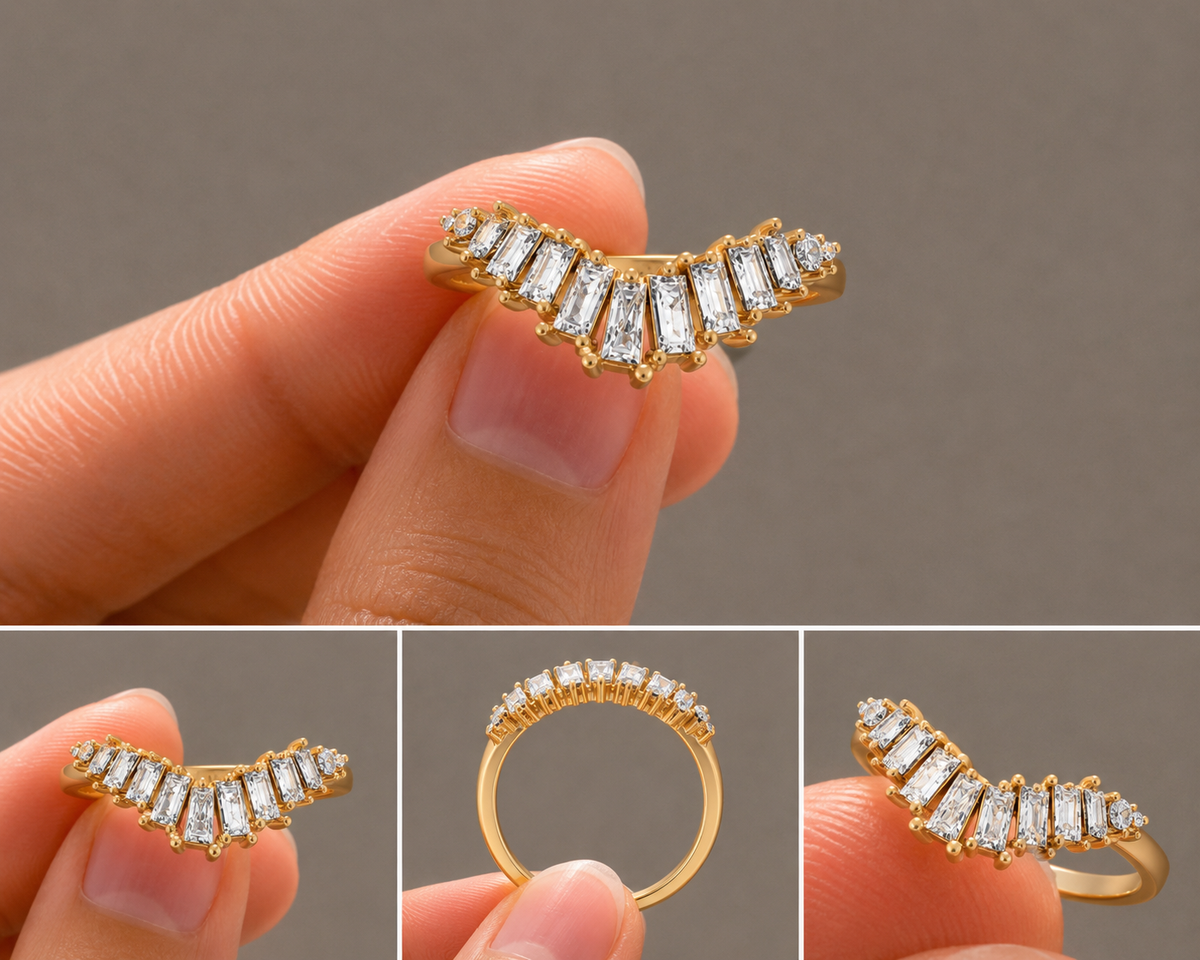
Tapered Baguette V-Shape Stack Wedding Band | Lab-Grown Diamond
Regular price From Rs. 42,095Regular price -
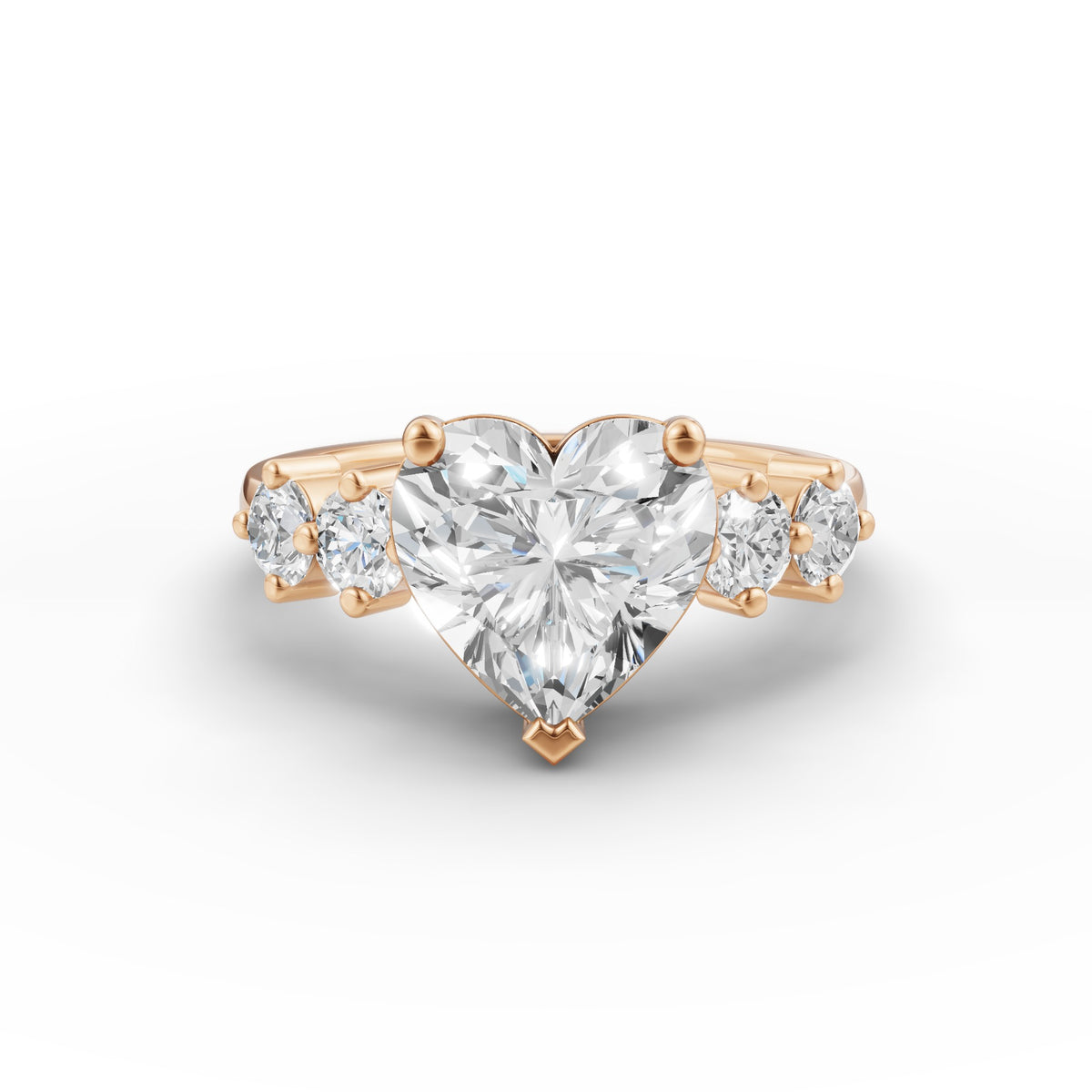
Heart-Shape Solitaire Engagement Ring, Round Accents | Lab-Grown Diamond
Regular price From Rs. 85,992Regular price -
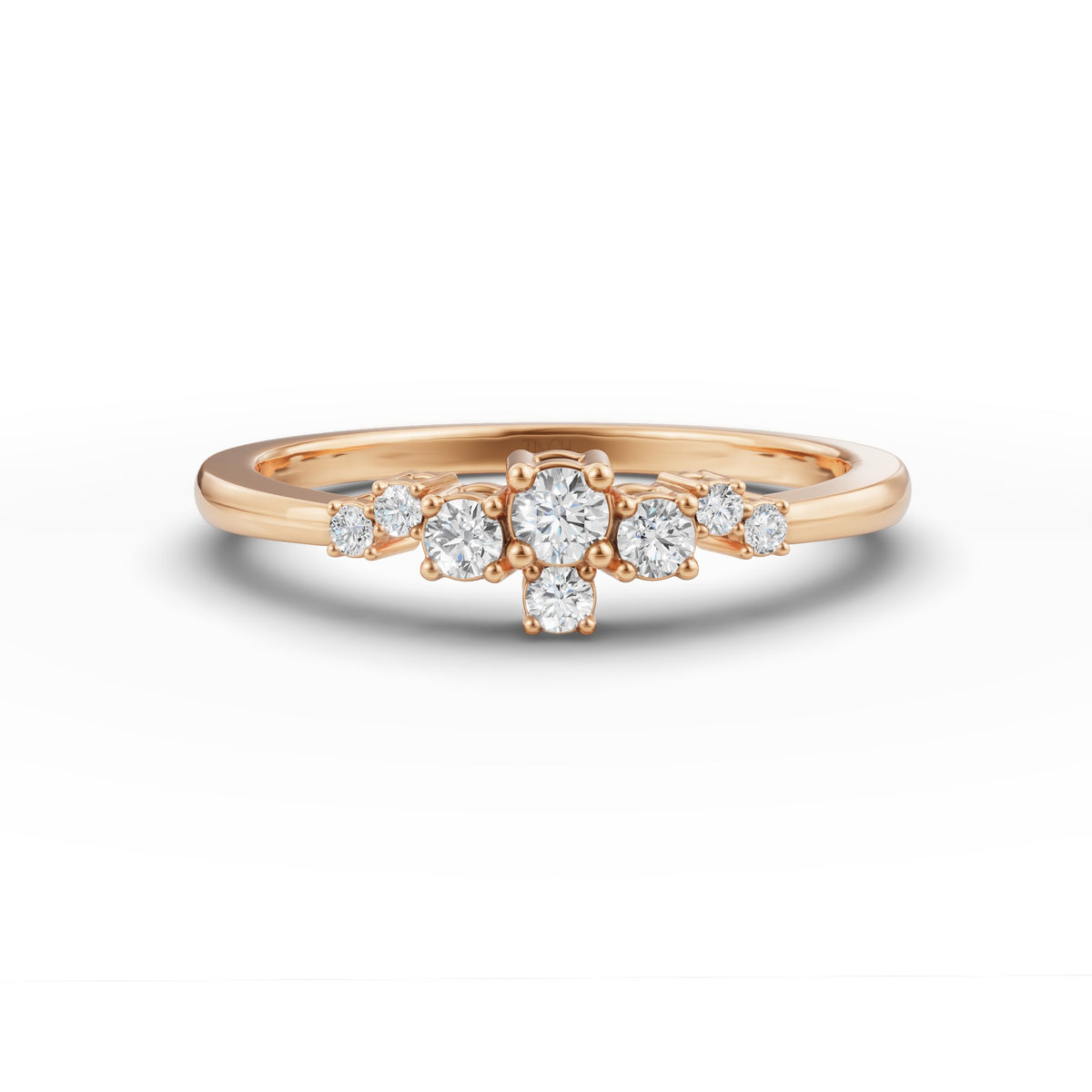
Petite Cluster Stack Ring | Lab-Grown Diamond
Regular price From Rs. 26,642Regular price -

-
Petite Round Stack Ring | Lab-Grown Diamond
Regular price From Rs. 47,538Regular price -
Round Arc Curve Wedding Band | Lab-Grown Diamond
Regular price From Rs. 52,722Regular price





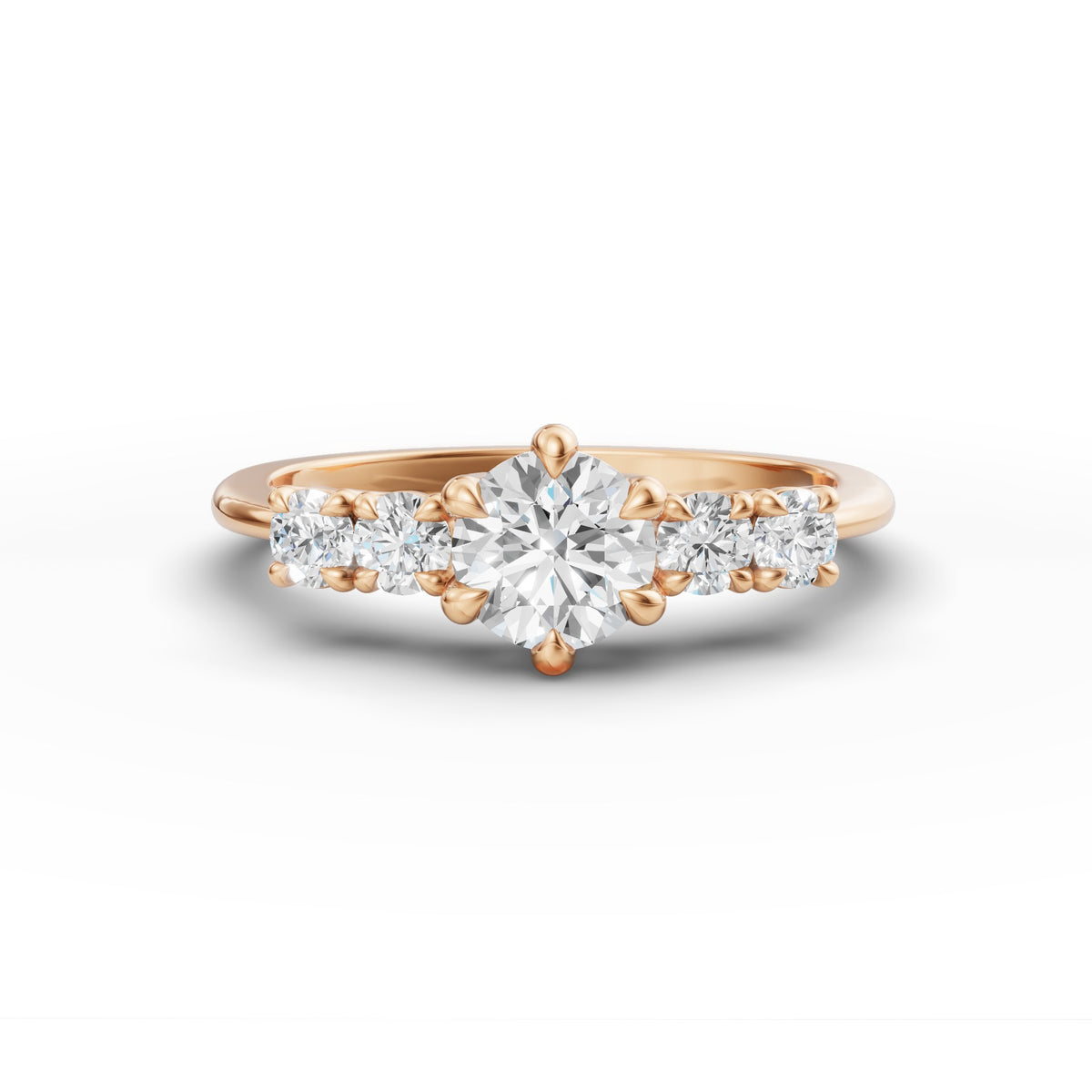

About Cluster Lab-Grown Diamond Engagement Rings — a buying guide
Cost per carat rises steeply with size. A single 2.00 Ct diamond costs far more than four 0.50 Ct diamonds of identical grade. A cluster exploits that gap: it gives you the visual footprint of a large stone at a fraction of the price.
There is also a design argument. A cluster can take shapes a single stone cannot — florals, starbursts, deliberately irregular arrangements. If you want something that does not look like everyone else's engagement ring, this is the most open category.
Floral clusters — stones arranged as petals around a centre. The most recognisable cluster form and the softest.
Mixed-cut clusters — pears, marquise and rounds combined in one head, which creates movement and catches light from more angles than a uniform arrangement.
Compact clusters — tightly grouped stones reading almost as a single surface, for people who want the look of a solitaire with more life in it.
- Colour consistency across the stones matters more than the grade itself. Mixed colours in a cluster are immediately visible; a uniformly slightly-warmer cluster is not.
- Ask about the setting height. Clusters can sit tall. A lower profile wears better day to day.
- More stones means more maintenance. Residue collects between settings. Our free annual cleaning covers it.
- Clusters are excellent value in lab-grown. The saving compounds across every stone rather than applying to one.
Eight cluster designs in 14K and 18K gold, all diamonds IGI-certified. This is also one of the easiest categories to customise — cluster arrangements are built to order, and we will work from a sketch or a reference.
Every ring ships with its certificate, insured worldwide delivery, lifetime exchange and free resizing. Custom work takes two to five weeks with a CAD approval stage. Visit our studio in Borivali West, Mumbai, or book a free virtual consultation.


