
Emerald-Cut Lab-Grown Diamond Rings
-
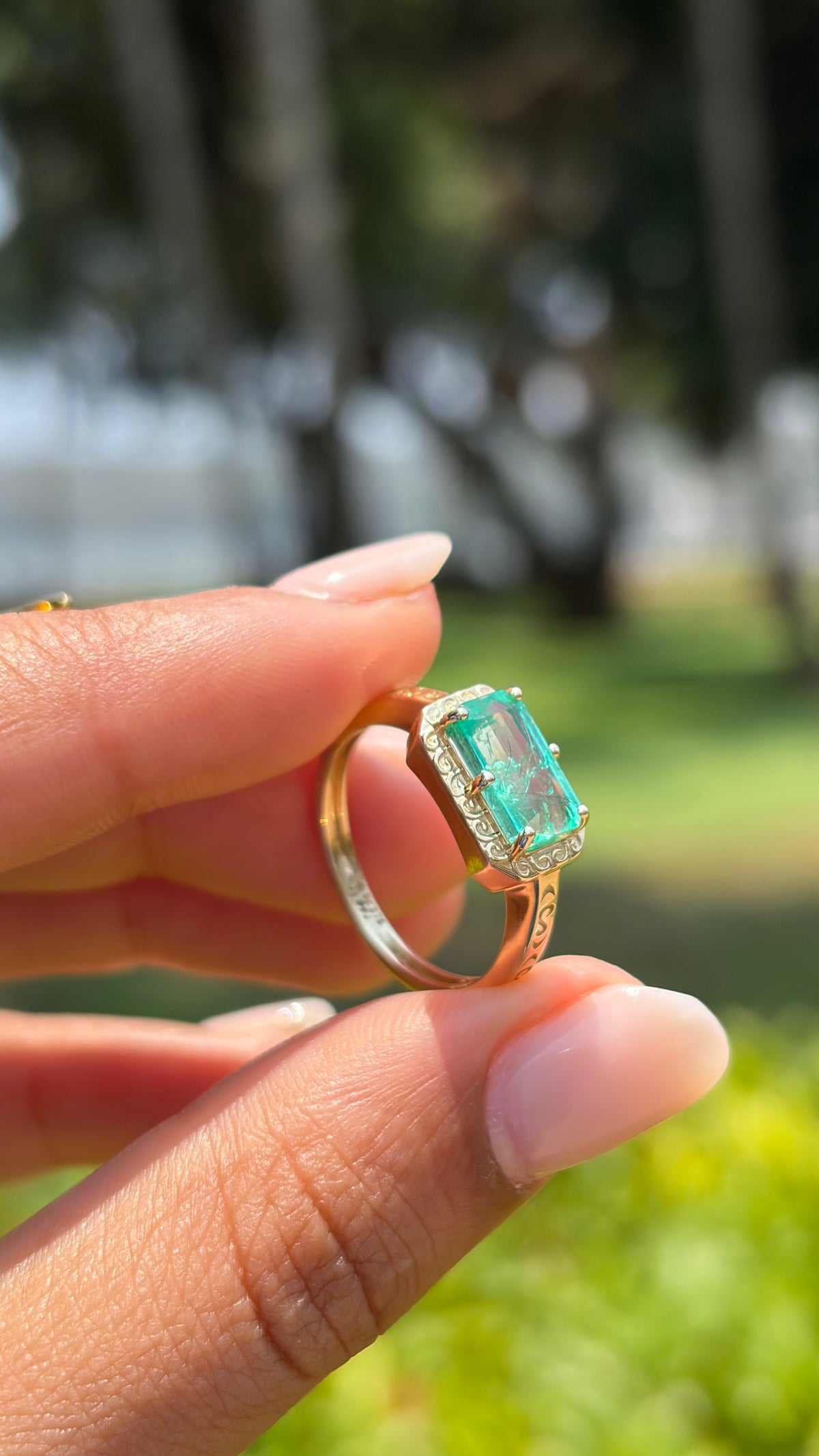
Emerald East-West Pinky Ring
Regular price From Rs. 34,804Regular price -
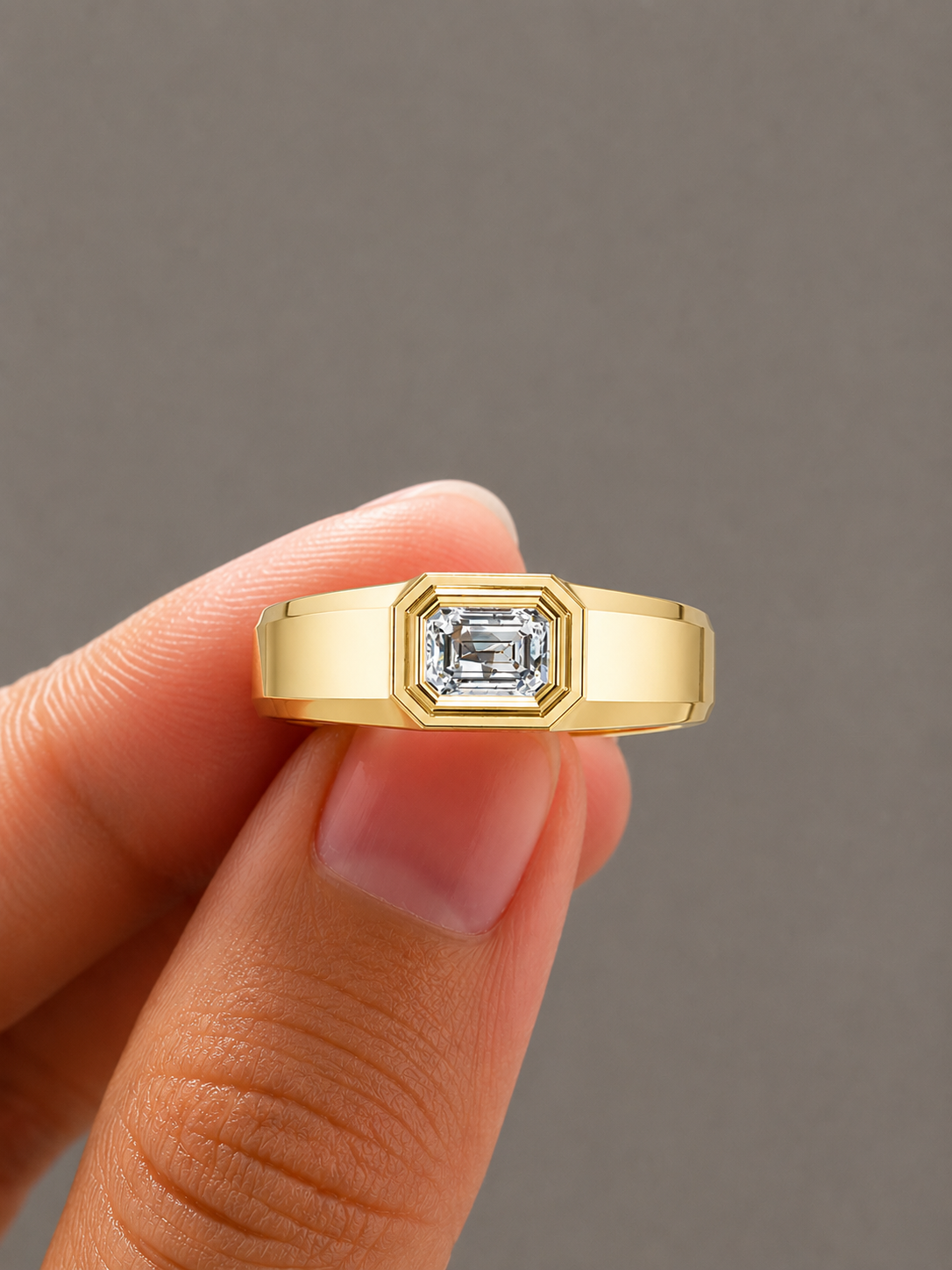
Emerald Double Bezel Solitaire Engagement Ring | Lab-Grown Diamond
Regular price From Rs. 89,731Regular price -
East-West Emerald Solitaire Engagement Ring | Lab-Grown Diamond
Regular price From Rs. 95,878Regular price -
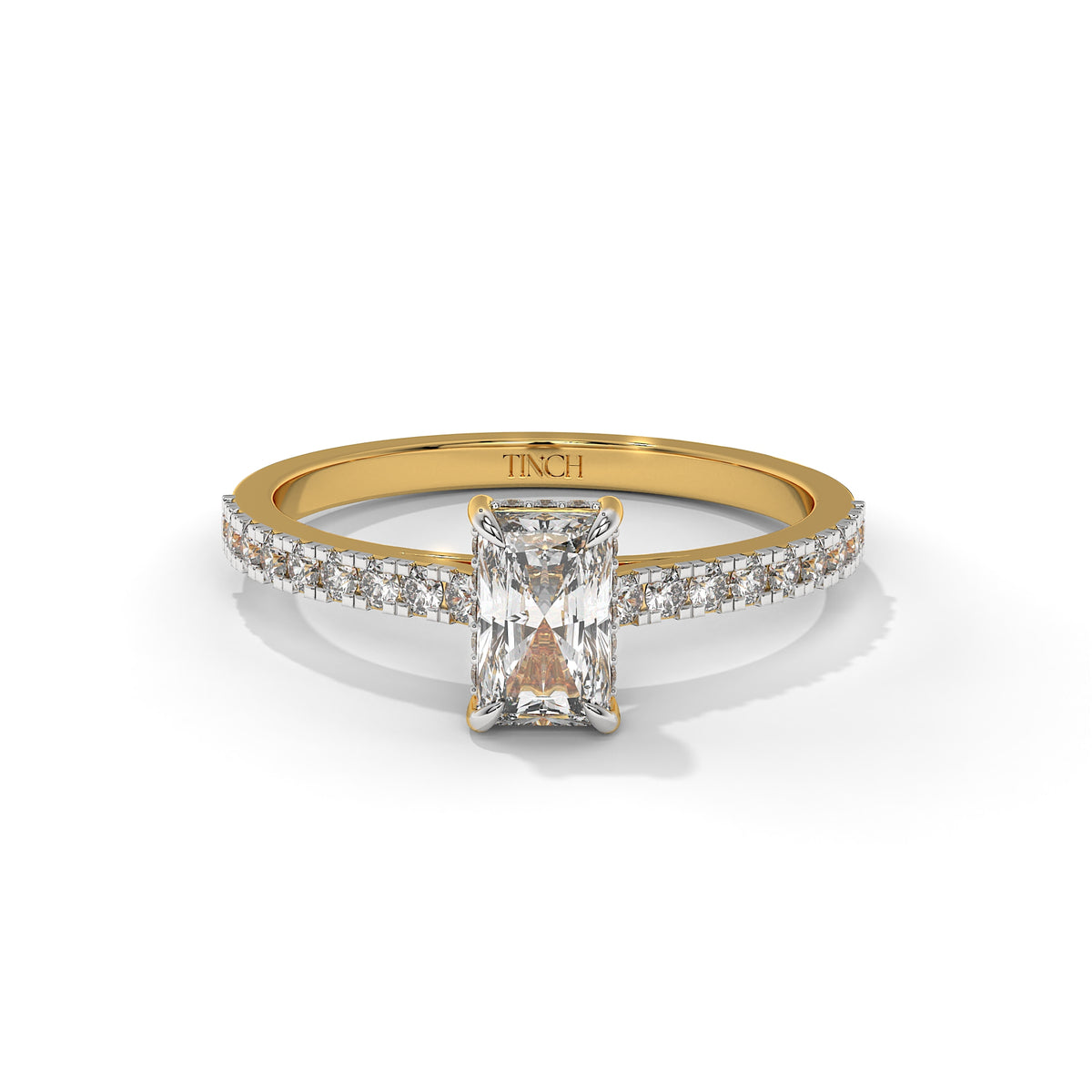
Eterna Radiant-Cut Engagement Ring | Lab-Grown Diamond
Regular price From Rs. 50,341Regular price -

-
Emerald-Cut Halo Engagement Ring | Lab-Grown Diamond
Regular price From Rs. 56,243Regular price -
Emerald-Cut Bezel Solitaire Engagement Ring | Lab-Grown Diamond
Regular price From Rs. 33,980Regular price -
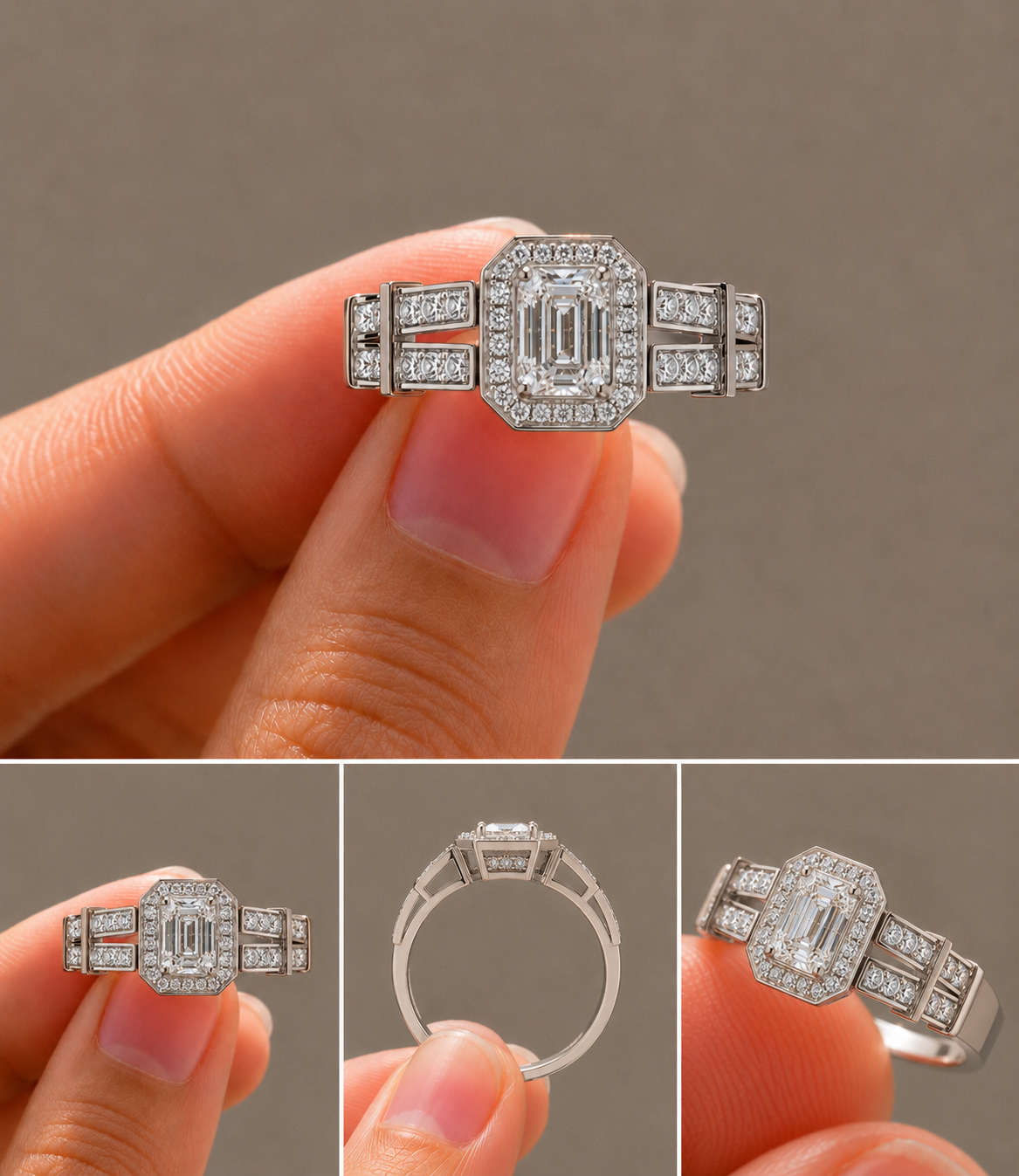
Emerald Halo Bridge Engagement Ring | Lab-Grown Diamond
Regular price From Rs. 108,839Regular price -
Emerald-Cut Diamond Eternity Band | Lab-Grown Diamond
Regular price From Rs. 142,555Regular price







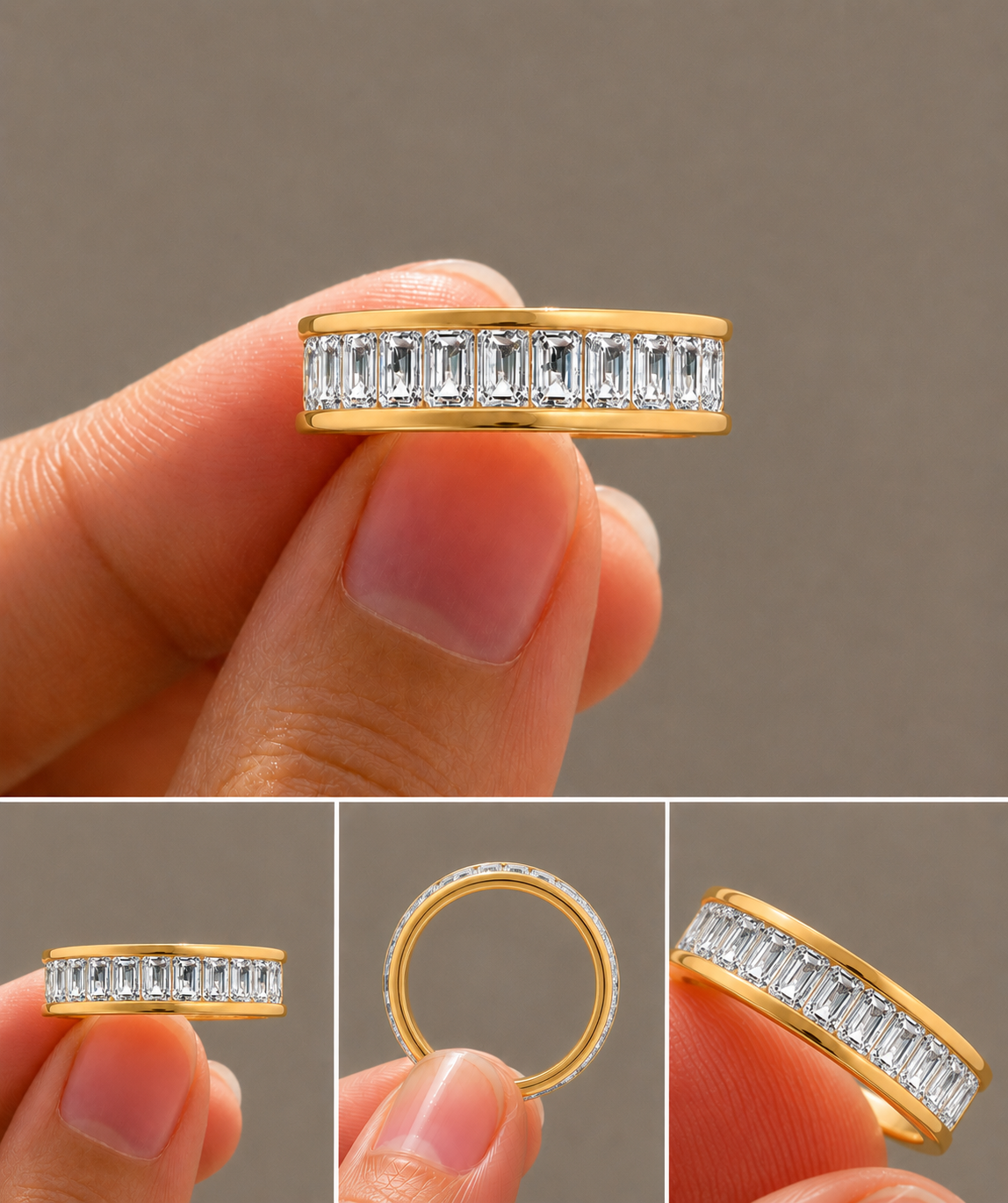
About Emerald-Cut Lab-Grown Diamond Rings — a buying guide
This is the single most important thing to understand about step cuts. A round brilliant's faceting hides inclusions; you can drop to VS or even SI clarity and see nothing. An emerald cut hides nothing. The open table is effectively a window into the stone.
For an emerald cut, VS1 or better is the sensible floor, and VVS is worth the difference. It is the one shape where we would tell you to spend on clarity ahead of carat.
Emerald cuts read as architectural rather than romantic. The long lines suit clean, geometric settings and Art Deco references. They also elongate the finger, though less dramatically than a marquise.
Because the shape is less in demand than a round, an emerald cut costs meaningfully less per carat — so a larger stone is achievable at the same budget, provided you hold the clarity grade.
Around 1.30 to 1.40 is the classic emerald outline. Closer to 1.50 is distinctly elongated. Around 1.00 is effectively an Asscher cut — square, with the same step-cut character. Deciding this before you shop narrows the field quickly.
- Do not compromise on clarity. VS1 minimum. This is the shape where inclusions are visible.
- Colour shows more too. The open facets make warmth easier to see than in a brilliant cut.
- Corners need protection. Emerald cuts have cut corners, which are less fragile than a marquise point but still benefit from prong coverage.
- They suit bezels unusually well. The straight lines of a bezel echo the straight lines of the stone.
Eleven emerald-cut designs in 14K and 18K gold, all IGI-certified. Solitaires, bezels, three-stone settings and east-west orientations.
Every ring ships with its certificate, insured worldwide delivery, lifetime exchange and free resizing. Visit our studio in Borivali West, Mumbai, or book a free virtual consultation.


