
-
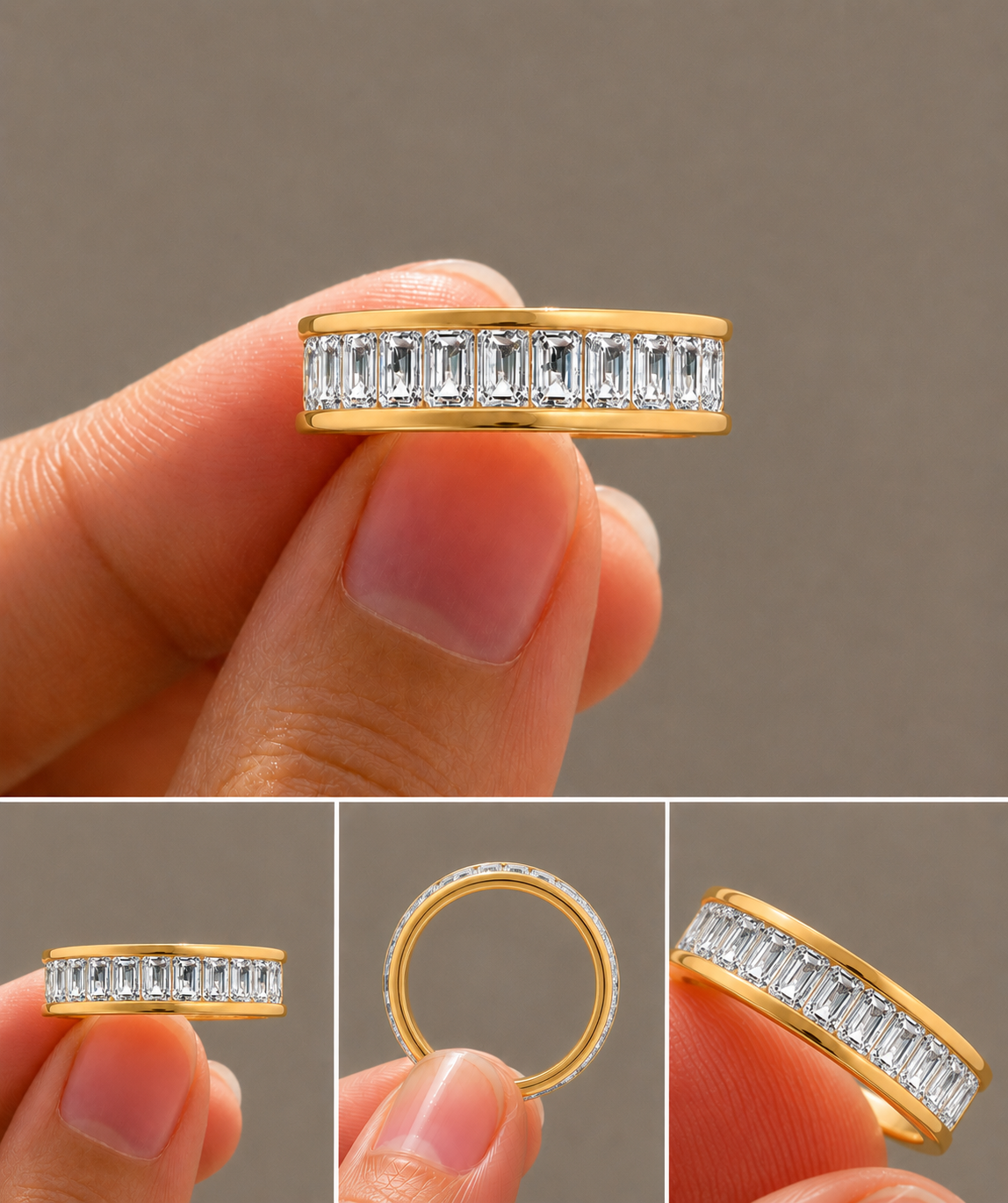
Emerald-Cut Diamond Eternity Band | Lab-Grown Diamond
Regular price From Rs. 142,598Regular price -
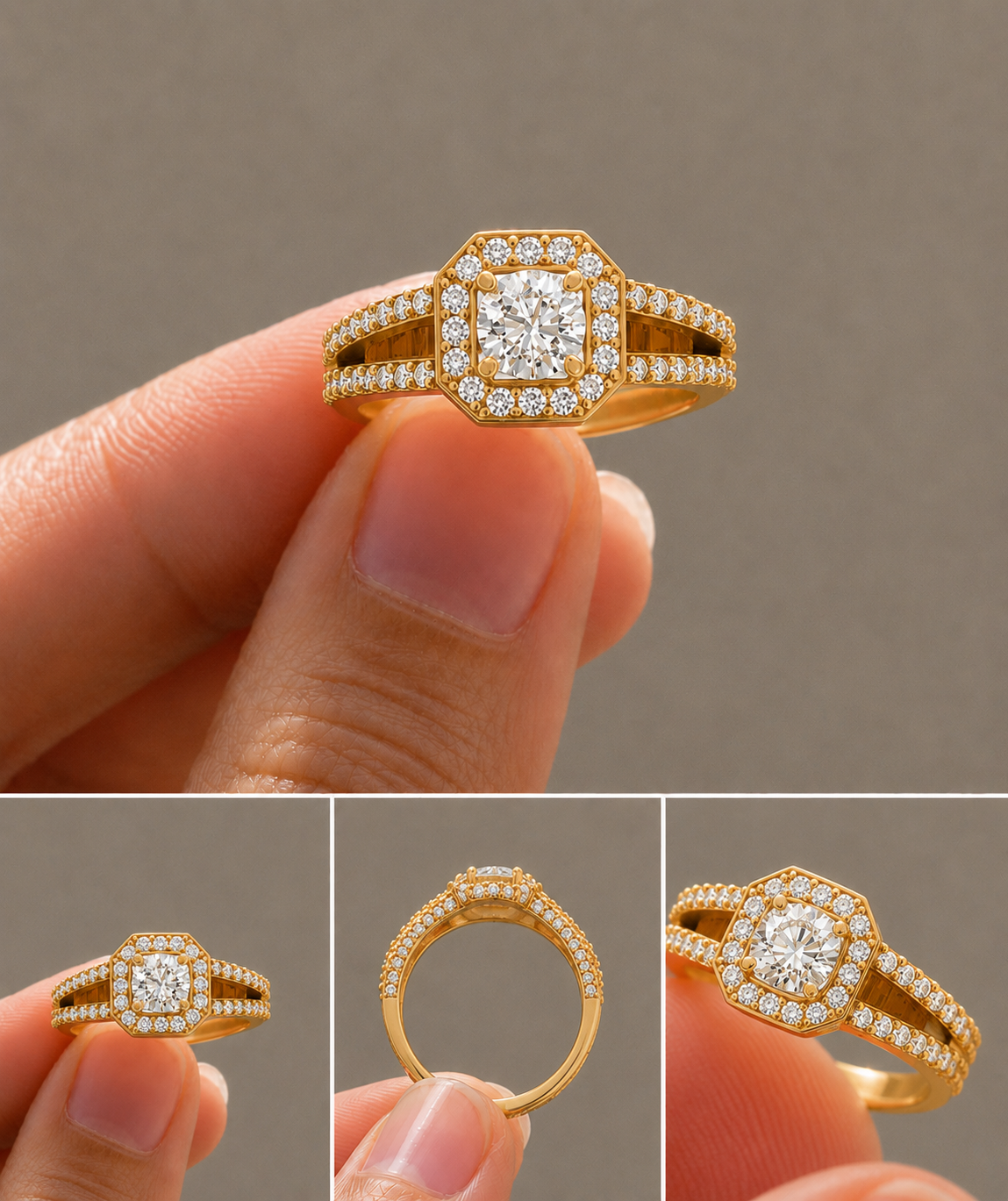
Princess-Cut Halo Double Split Engagement Ring | Lab-Grown Diamond
Regular price From Rs. 77,824Regular price -
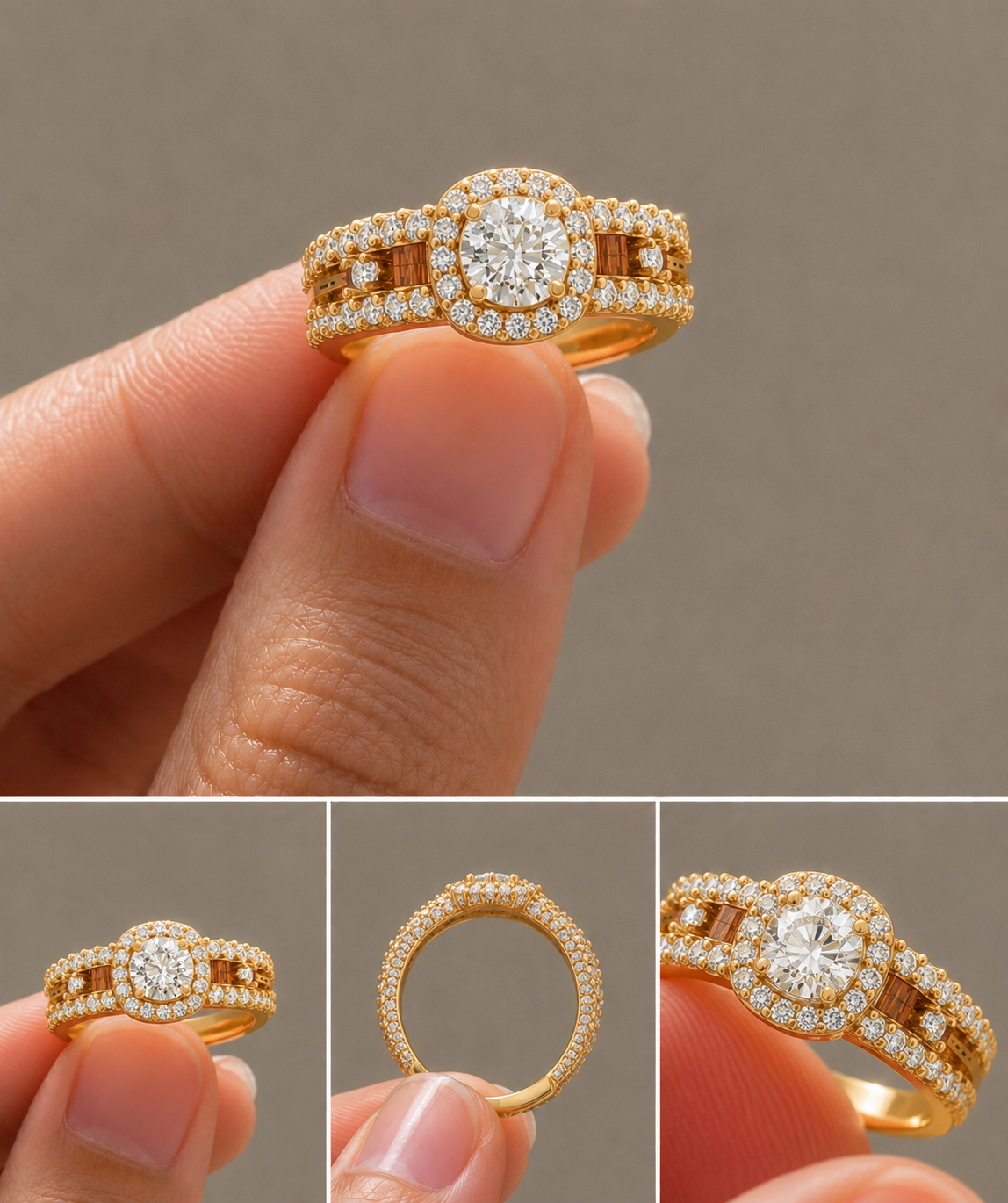
Classic Round Halo Double Split Engagement Ring | Lab-Grown Diamond
Regular price From Rs. 89,970Regular price -
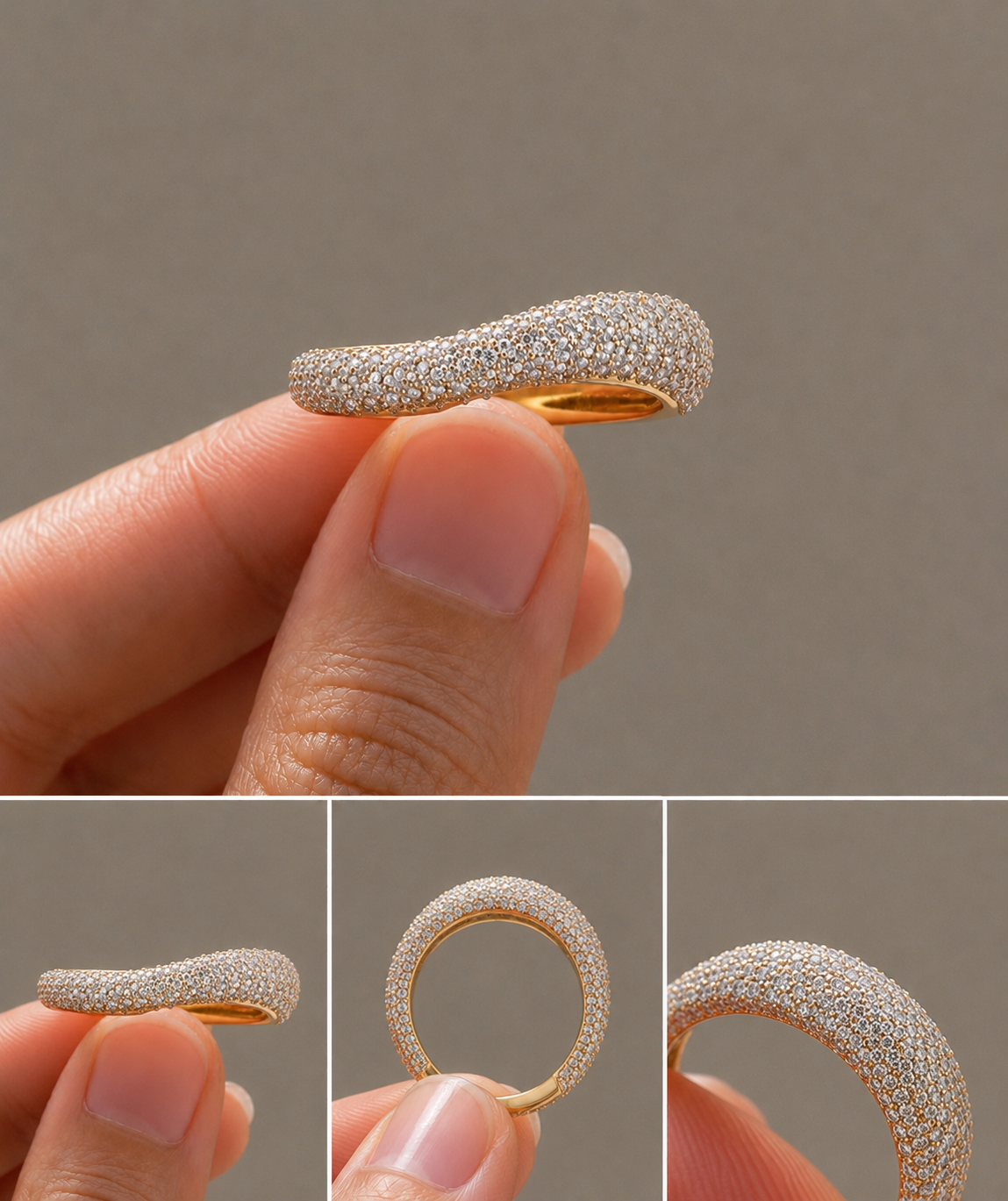
Round Curved Pavé Diamond Band | Lab-Grown Diamond
Regular price From Rs. 60,568Regular price -

-
Twisted Band Ashoka Cut Diamond Ring
Regular price From Rs. 104,254Regular price -
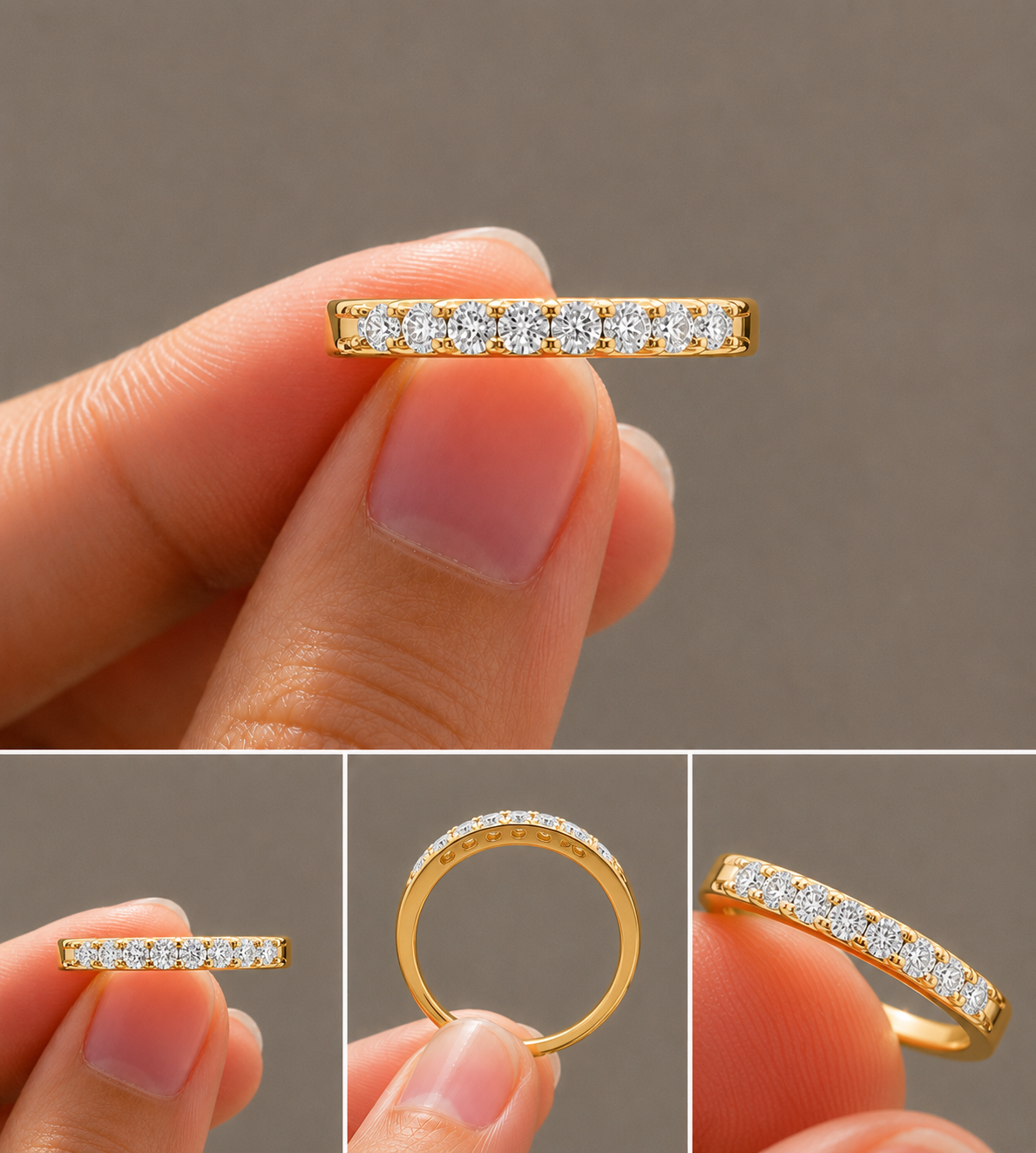
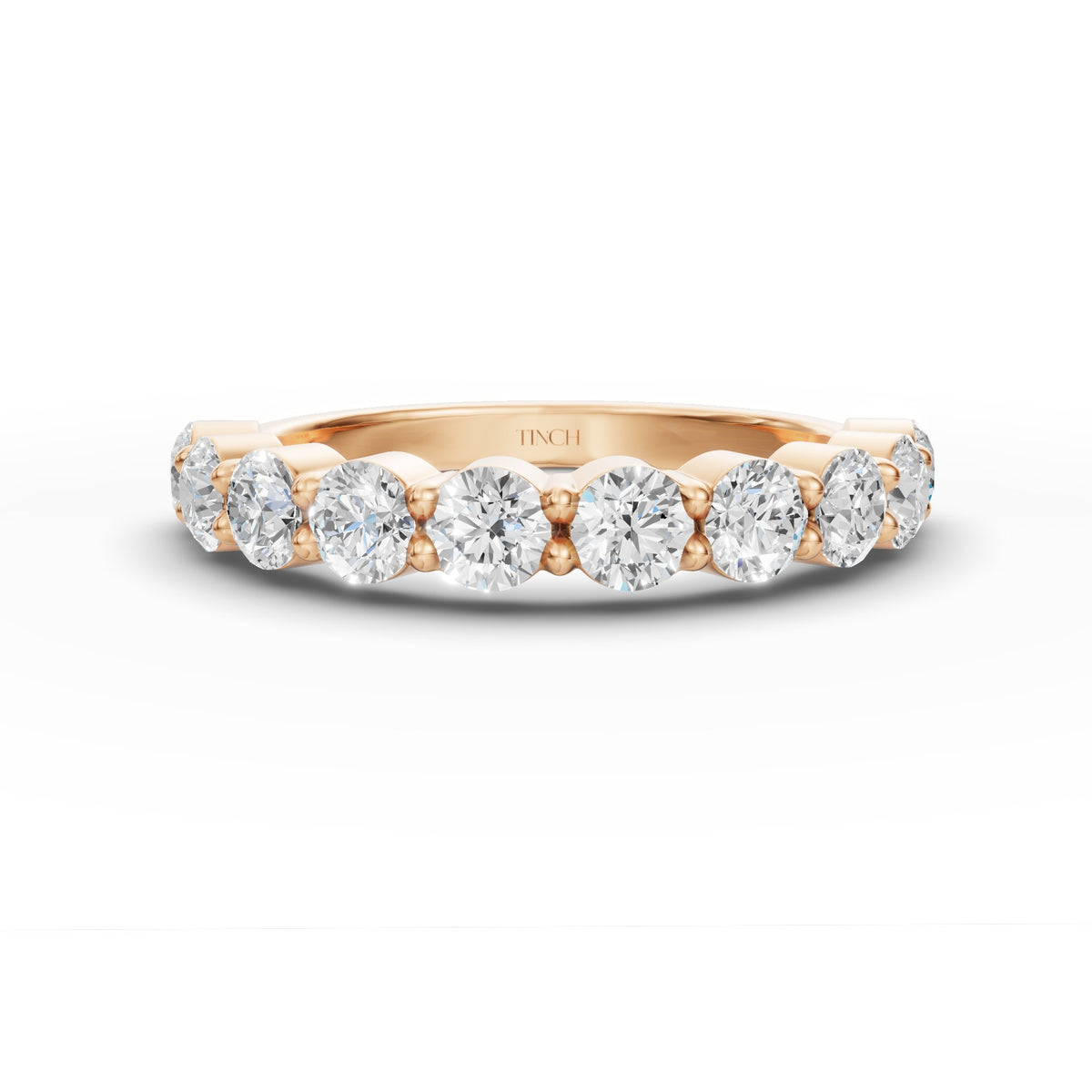
Round Half Eternity Diamond Band | Lab-Grown Diamond
Regular price From Rs. 67,719Regular price -
Round Half Infinity Stack Ring | Lab-Grown Diamond
Regular price From Rs. 63,862Regular price -
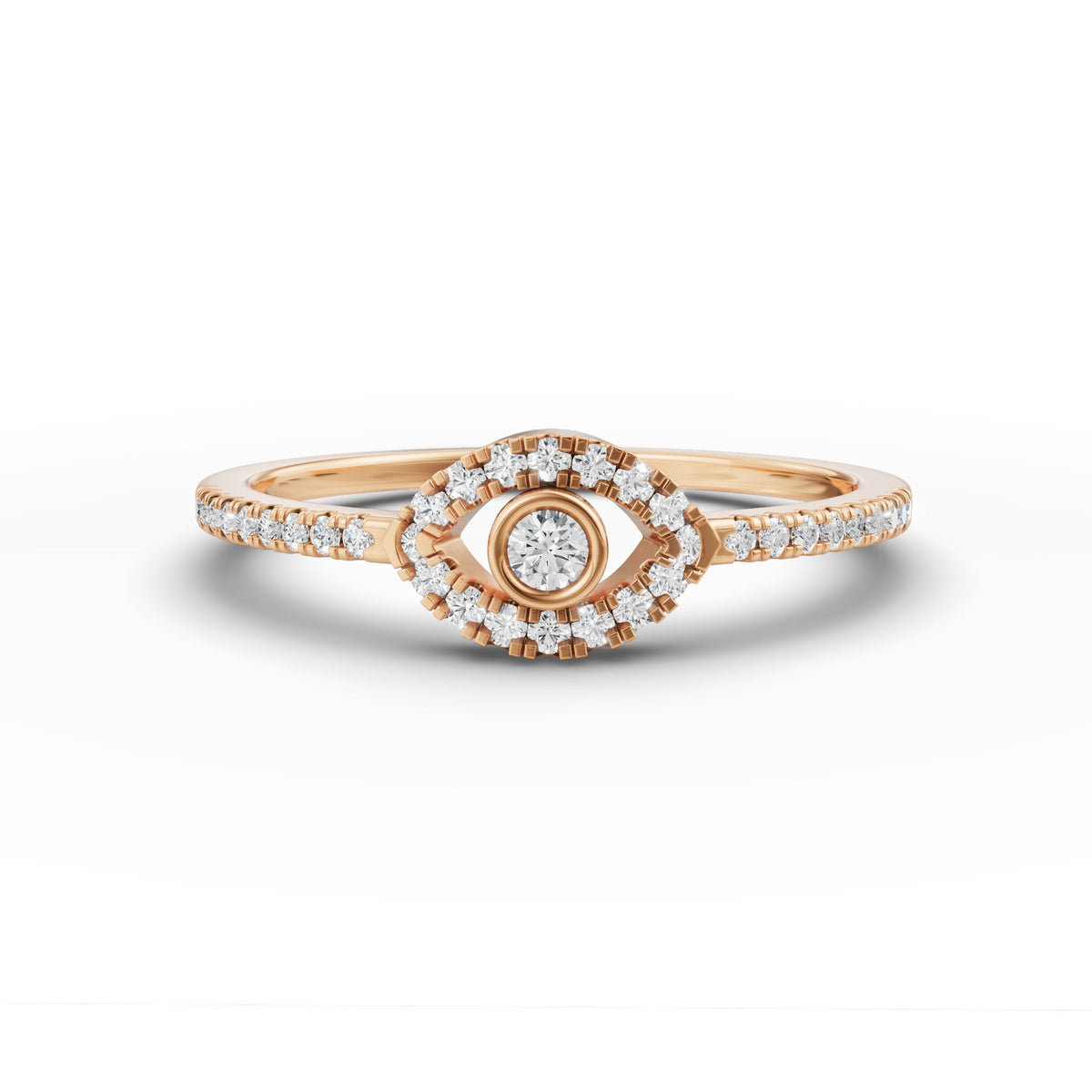
Petite Evil Eye Pinky Ring
Regular price From Rs. 25,515Regular price -
Round Solitaire Halo Double Split Engagement Ring | Lab-Grown Diamond
Regular price From Rs. 123,051Regular price -
Round Wave Stack Pinky Ring | Lab-Grown Diamond
Regular price From Rs. 51,214Regular price -
Round Dual Half Band Stack Ring | Lab-Grown Diamond
Regular price From Rs. 49,558Regular price -
Pear Halo Diamond Studded Engagement Ring | Lab-Grown Diamond
Regular price From Rs. 83,027Regular price -
Round Solitaire Flora Halo Engagement Ring | Lab-Grown Diamond
Regular price From Rs. 68,062Regular price -
Braided Solitaire Engagement Ring | Lab-Grown Diamond
Regular price From Rs. 65,256Regular price -
Pear Halo Double Band Engagement Ring | Lab-Grown Diamond
Regular price From Rs. 53,774Regular price -
Oval Infinity Wedding Band | Lab-Grown Diamond
Regular price From Rs. 146,297Regular price -
-
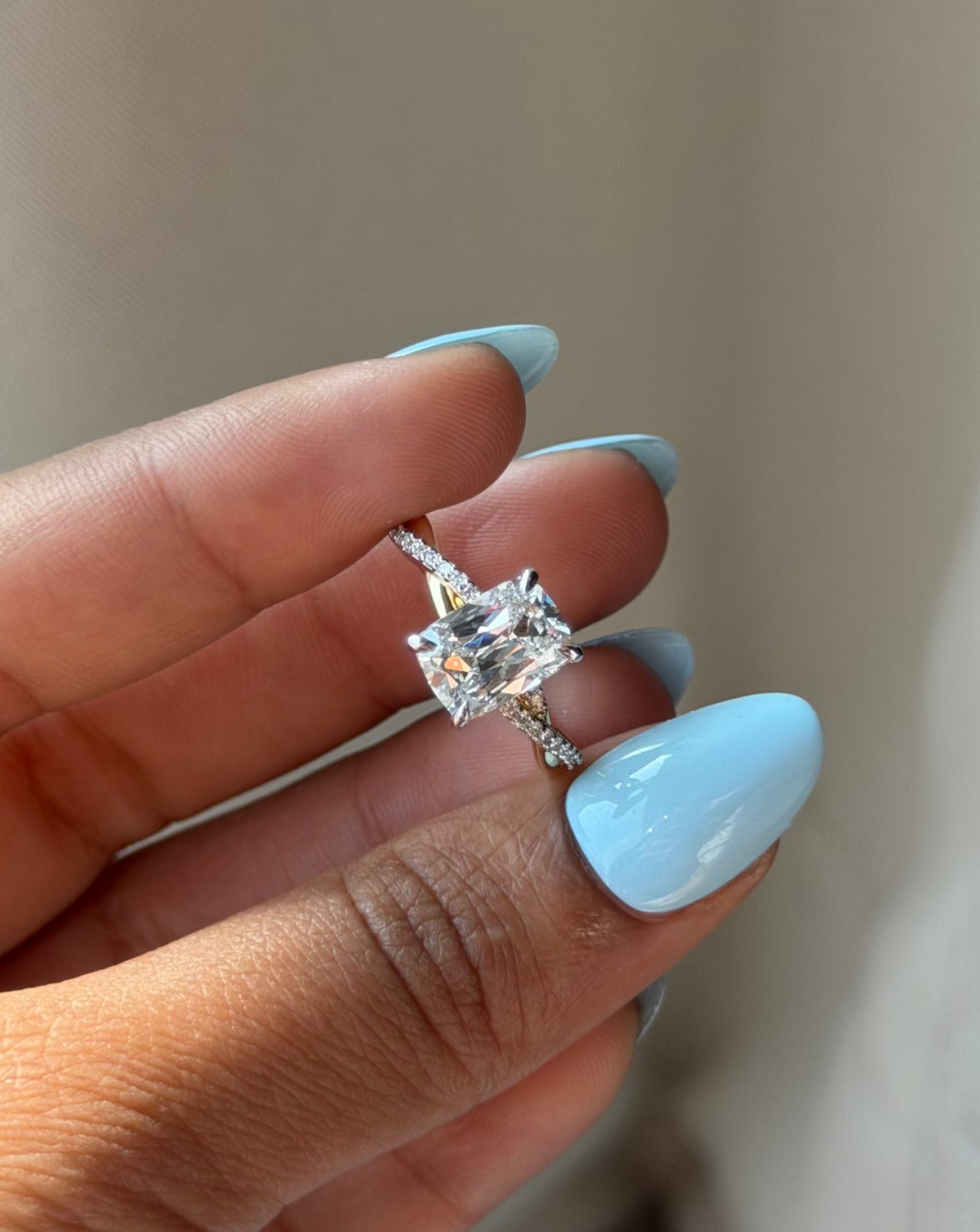
Emerald-Cut Halo Engagement Ring | Lab-Grown Diamond
Regular price From Rs. 56,272Regular price -
Eterna Radiant-Cut Engagement Ring | Lab-Grown Diamond
Regular price From Rs. 50,298Regular price -
Round Unbound Gradual Infinity Ring | Lab-Grown Diamond
Regular price From Rs. 199,286Regular price -
Marquise Oblique Halo Engagement Ring | Lab-Grown Diamond
Regular price From Rs. 66,454Regular price









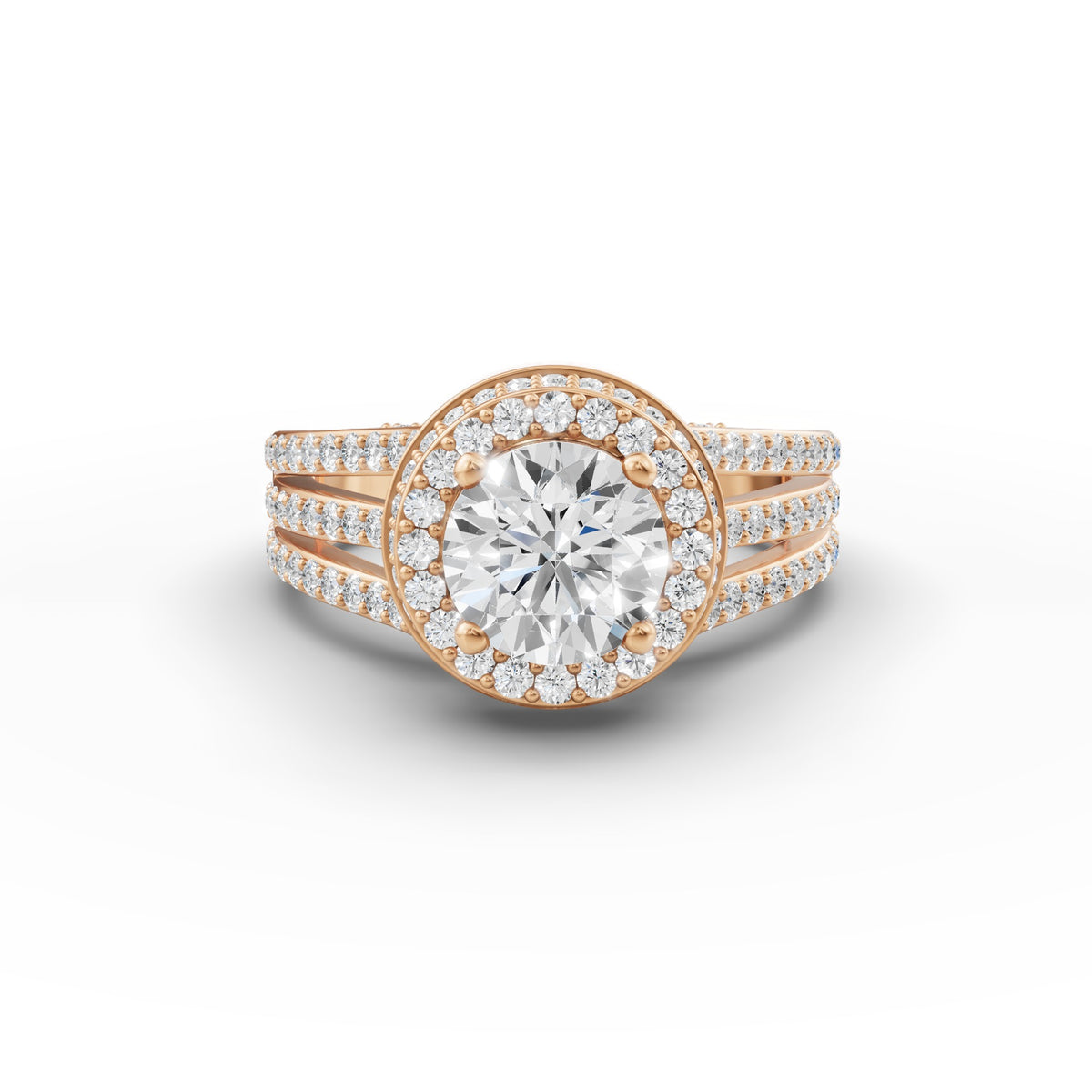

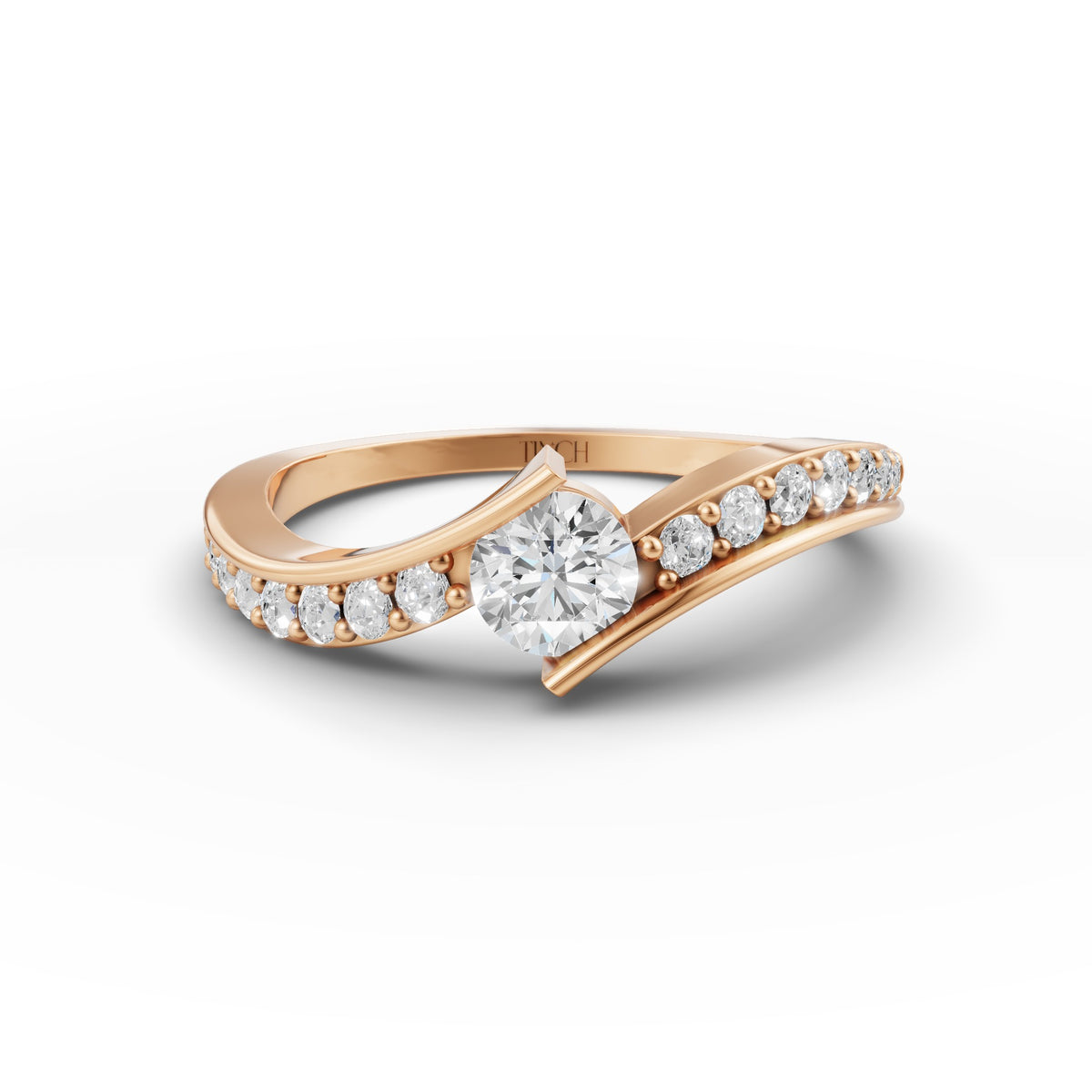

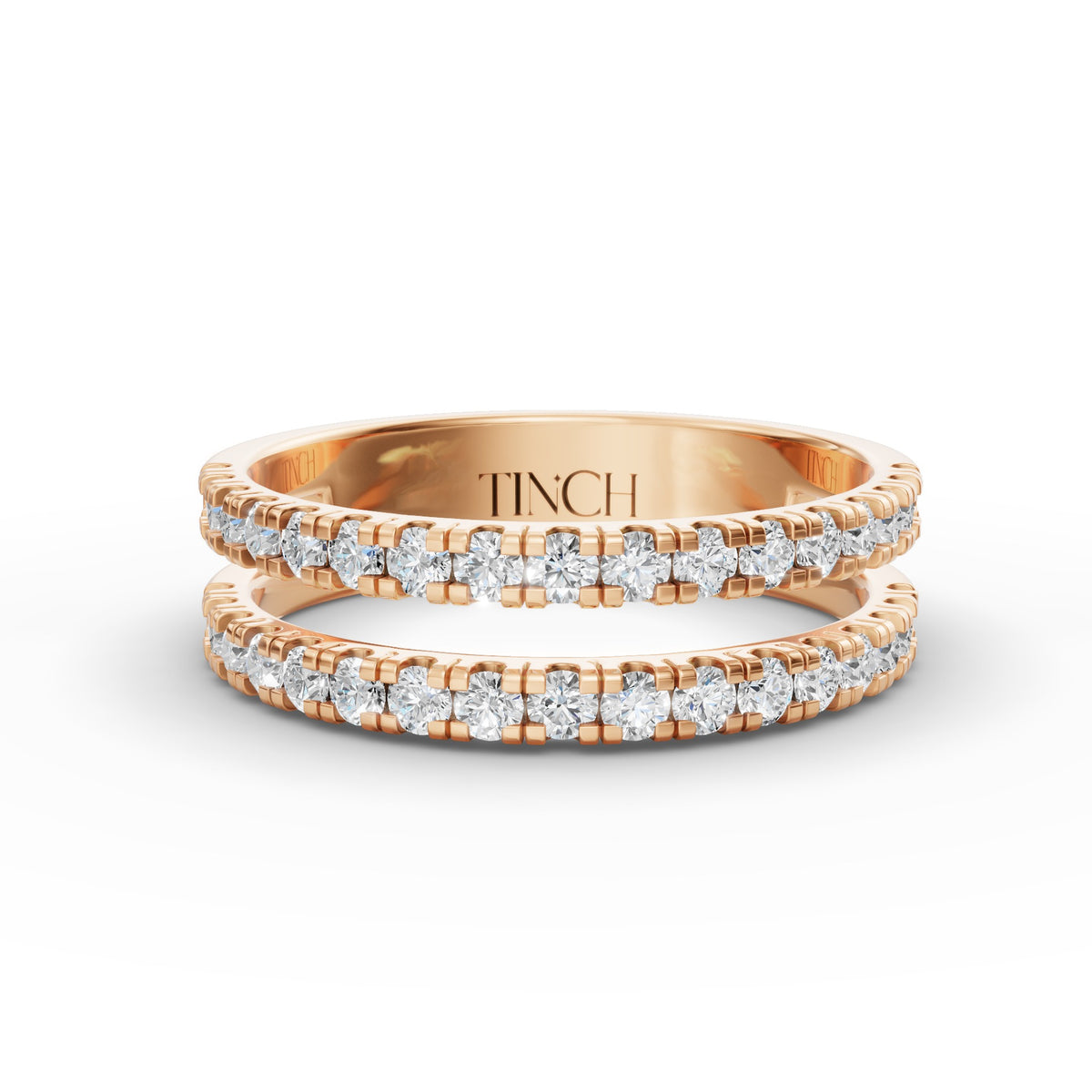

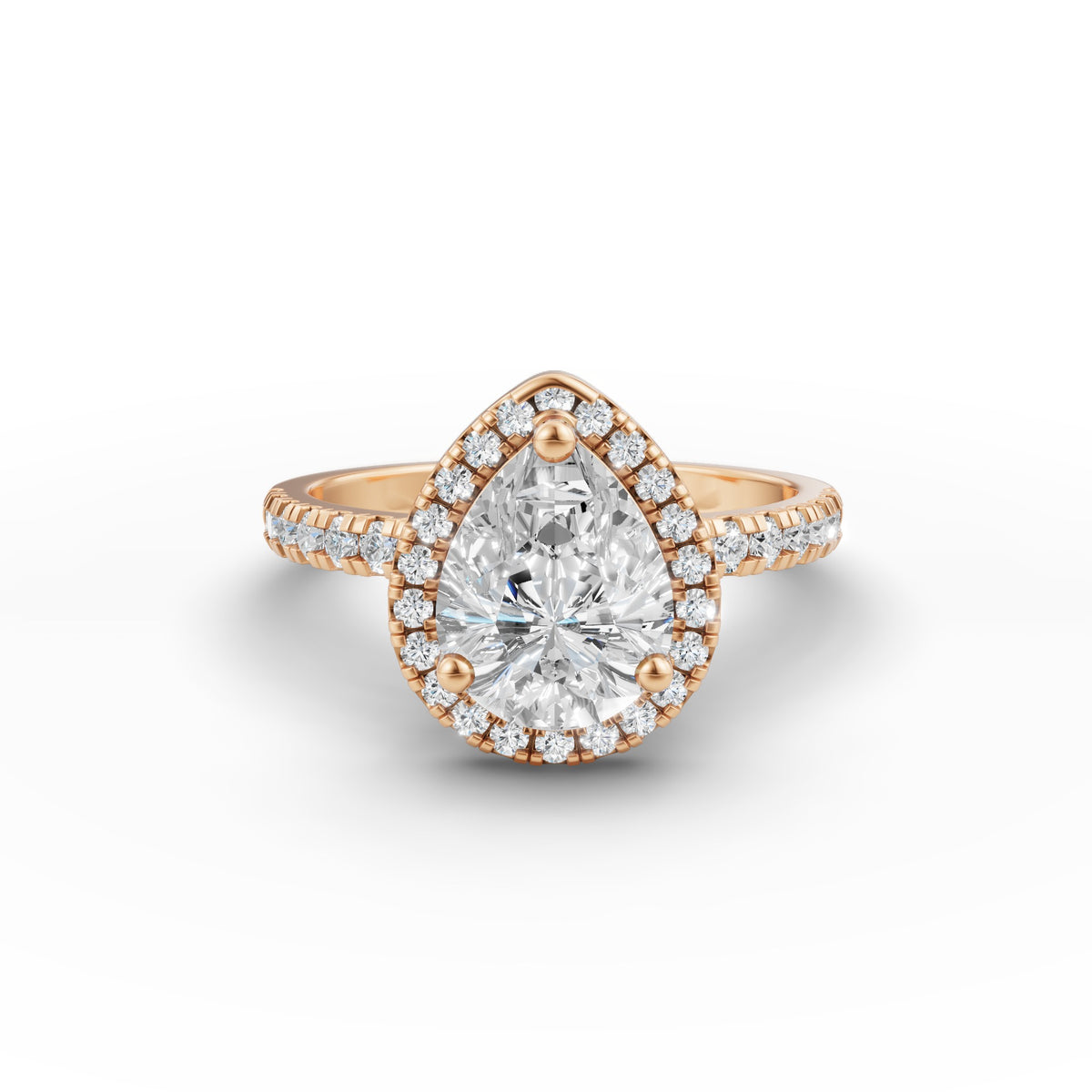

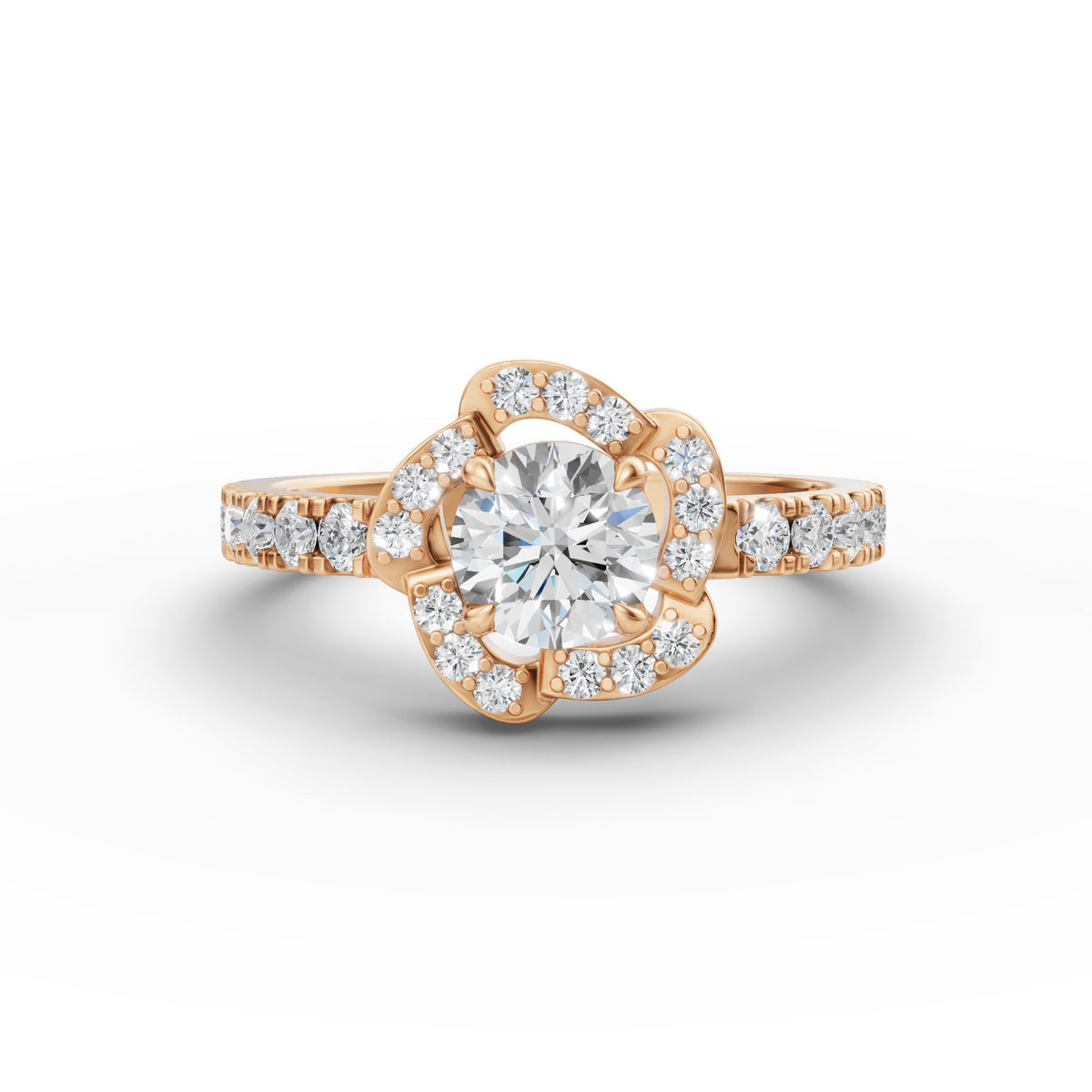


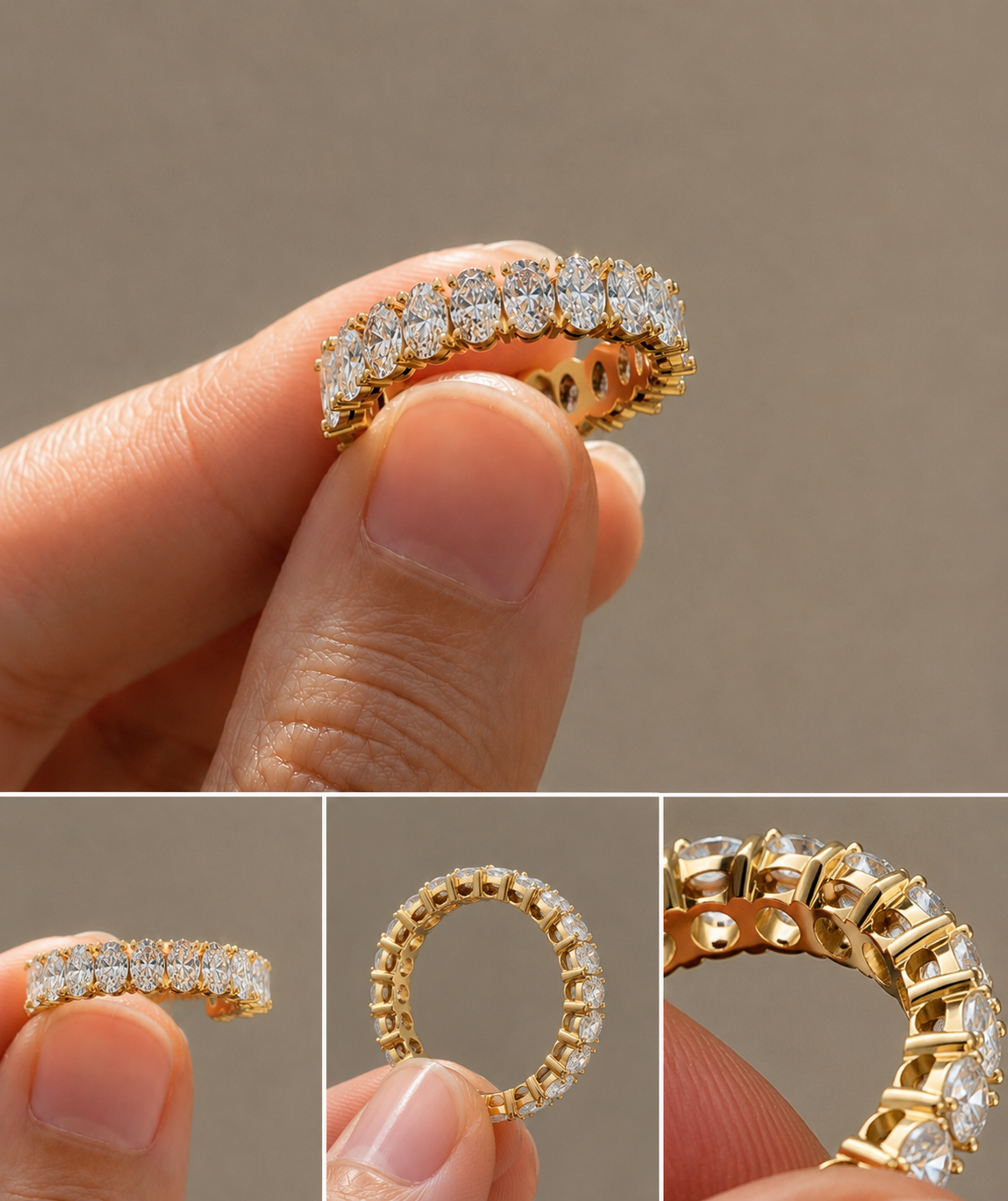


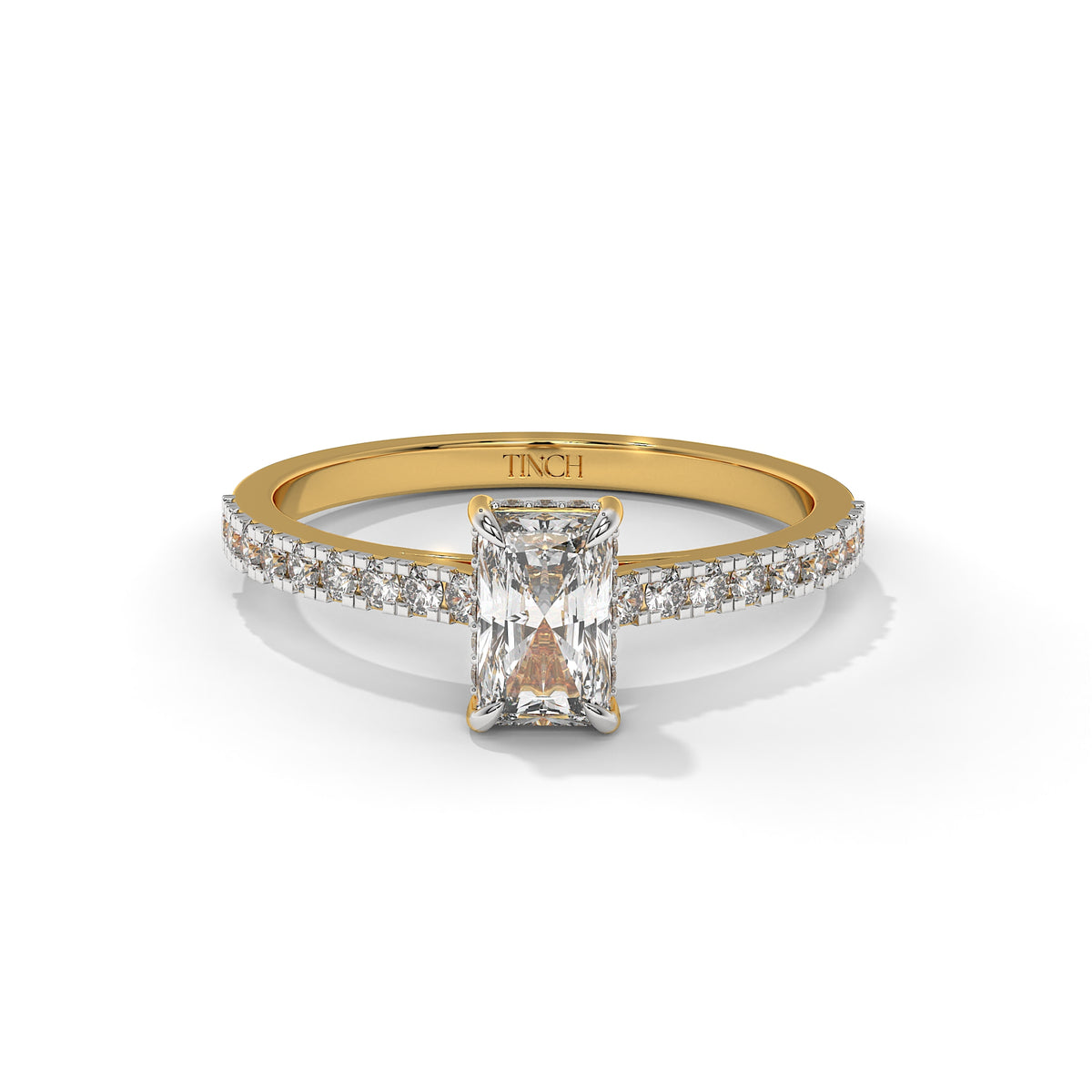


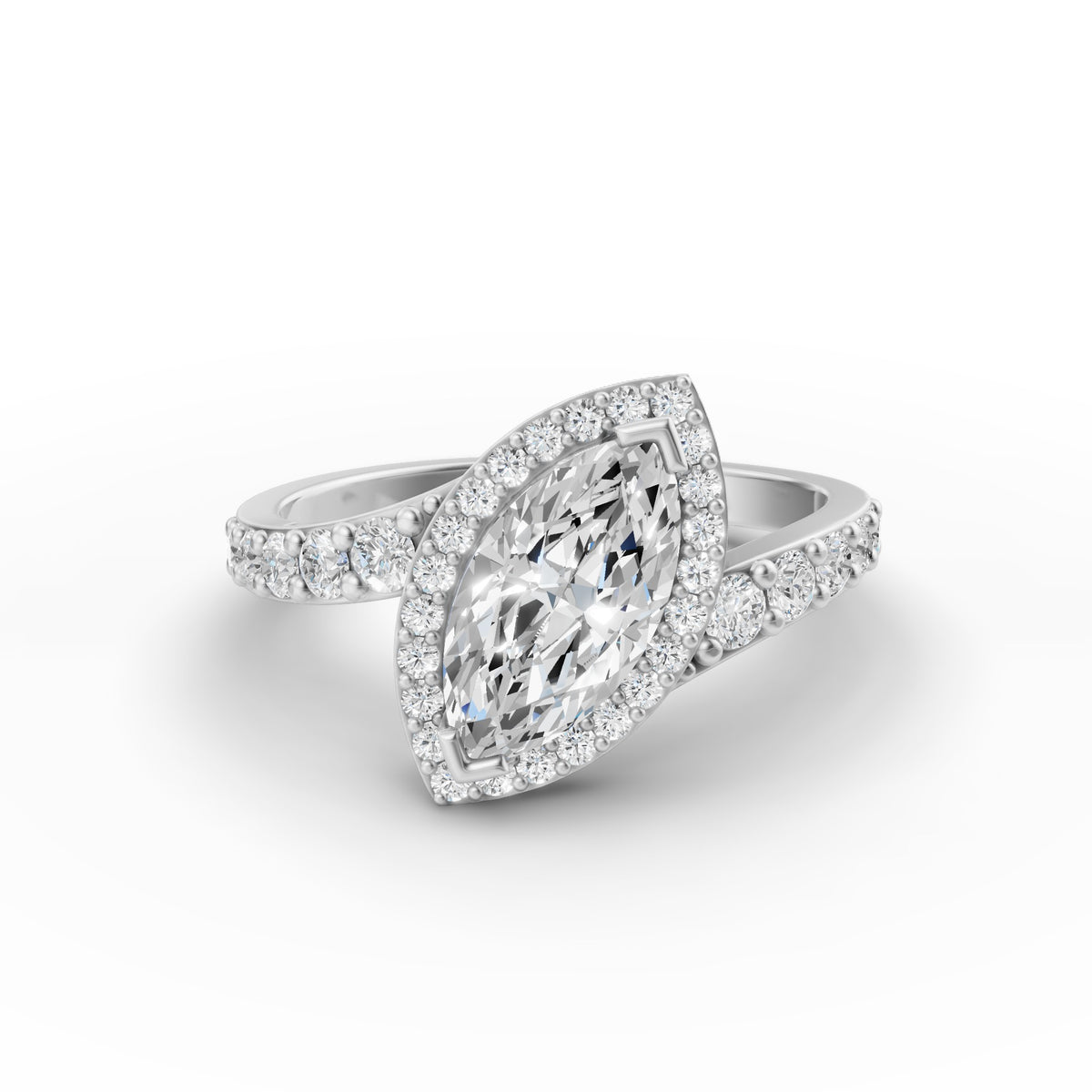
About Pavé Lab-Grown Diamond Engagement Rings — a buying guide
A solitaire concentrates everything in one place. A pavé band spreads light across the whole ring, so it catches the eye from more angles and in lower light. It also visually narrows the finger, because the eye follows the line of stones.
For anyone deciding between a larger centre stone and a more detailed band, pavé is usually the better value. Small diamonds cost far less per carat, and the added sparkle is disproportionate to the added cost.
Micro-pavé — very small stones set extremely close, for an almost continuous surface of light. The most delicate and the most demanding to set well.
French pavé — V-shaped cuts beneath each stone let more light in from below, so the metal shows less.
Channel-set — stones sit between two walls of metal with no beads. The most secure option and the best choice for heavy daily wear.
Half versus full pavé — half stops at the midpoint of the band, which keeps the underside plain and makes resizing straightforward. Full pavé continues all the way round and is far harder to resize later.
- Half pavé resizes; full pavé often cannot. If ring size is likely to change, this decides the ring.
- Setting quality is everything. Pavé is where cheap manufacturing shows first. Ask how the stones are held.
- Match the pavé to the centre stone colour. Mismatched whites make the centre look dull.
- Pavé needs cleaning. Residue collects between stones and dulls the effect. Our free annual cleaning restores it.
Twenty-six pavé designs in 14K and 18K gold, every diamond IGI-certified. Half and full pavé, micro-pavé, channel settings and split-shank designs across round, oval, pear and marquise centres.
Each ring ships with its certificate, insured worldwide delivery, lifetime exchange and free resizing where the design allows. Visit our studio in Borivali West, Mumbai, or book a free virtual consultation.


