
Pear-Shaped Lab-Grown Diamond Engagement Rings
-
Pear Halo Double Band Engagement Ring | Lab-Grown Diamond
Regular price From Rs. 54,094Regular price -
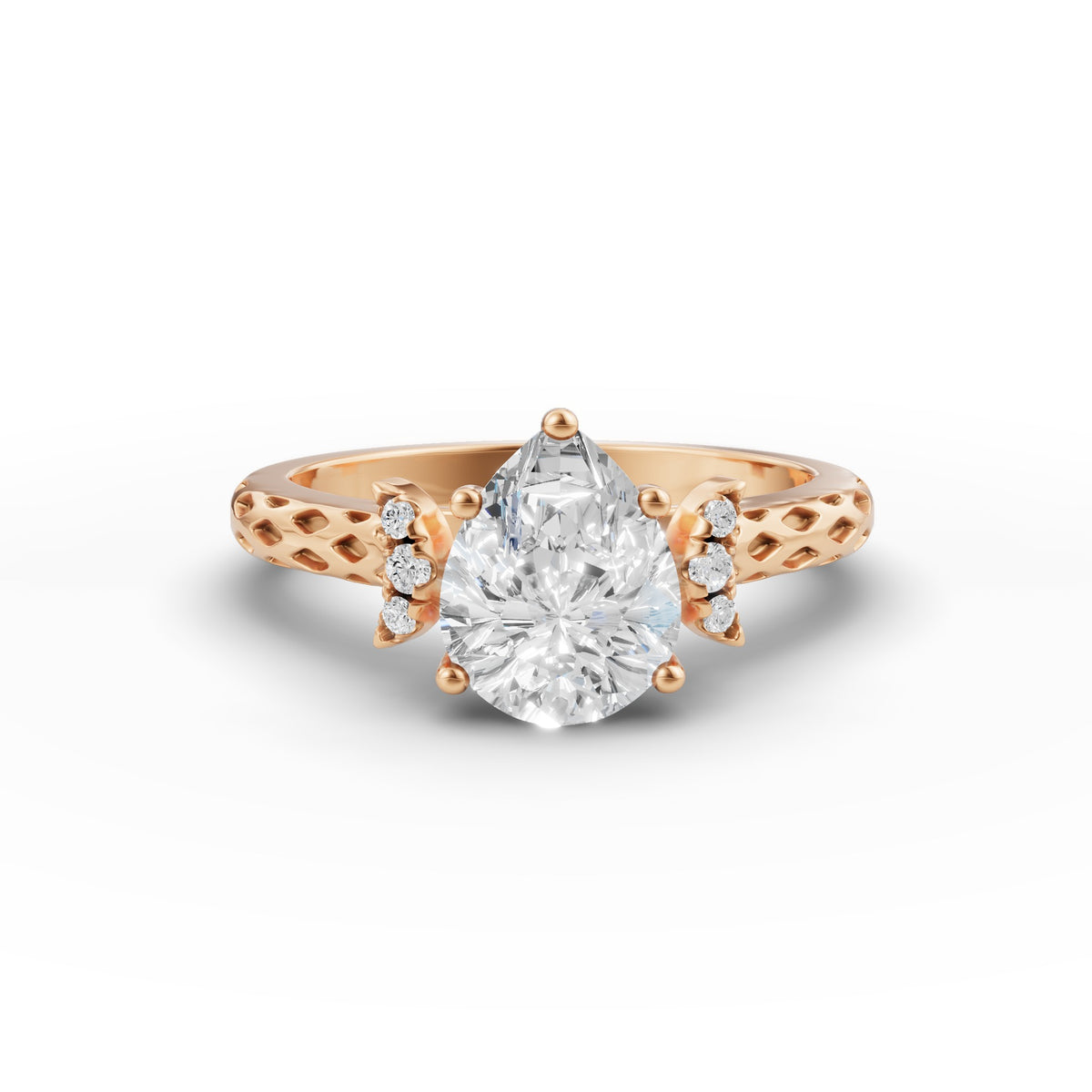
Crescent Pear Solitaire Engagement Ring | Lab-Grown Diamond
Regular price From Rs. 80,442Regular price -
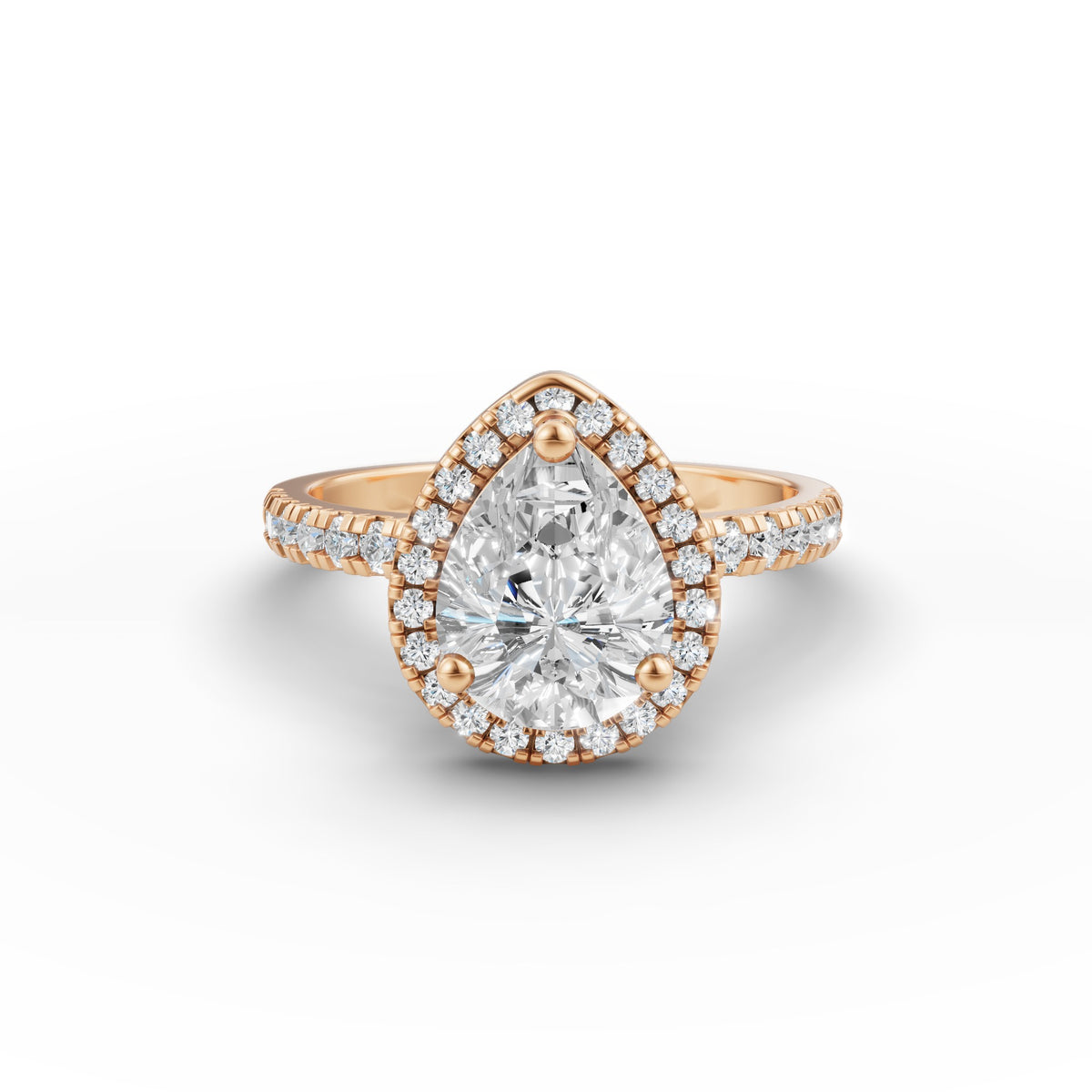
Pear Halo Diamond Studded Engagement Ring | Lab-Grown Diamond
Regular price From Rs. 83,106Regular price -
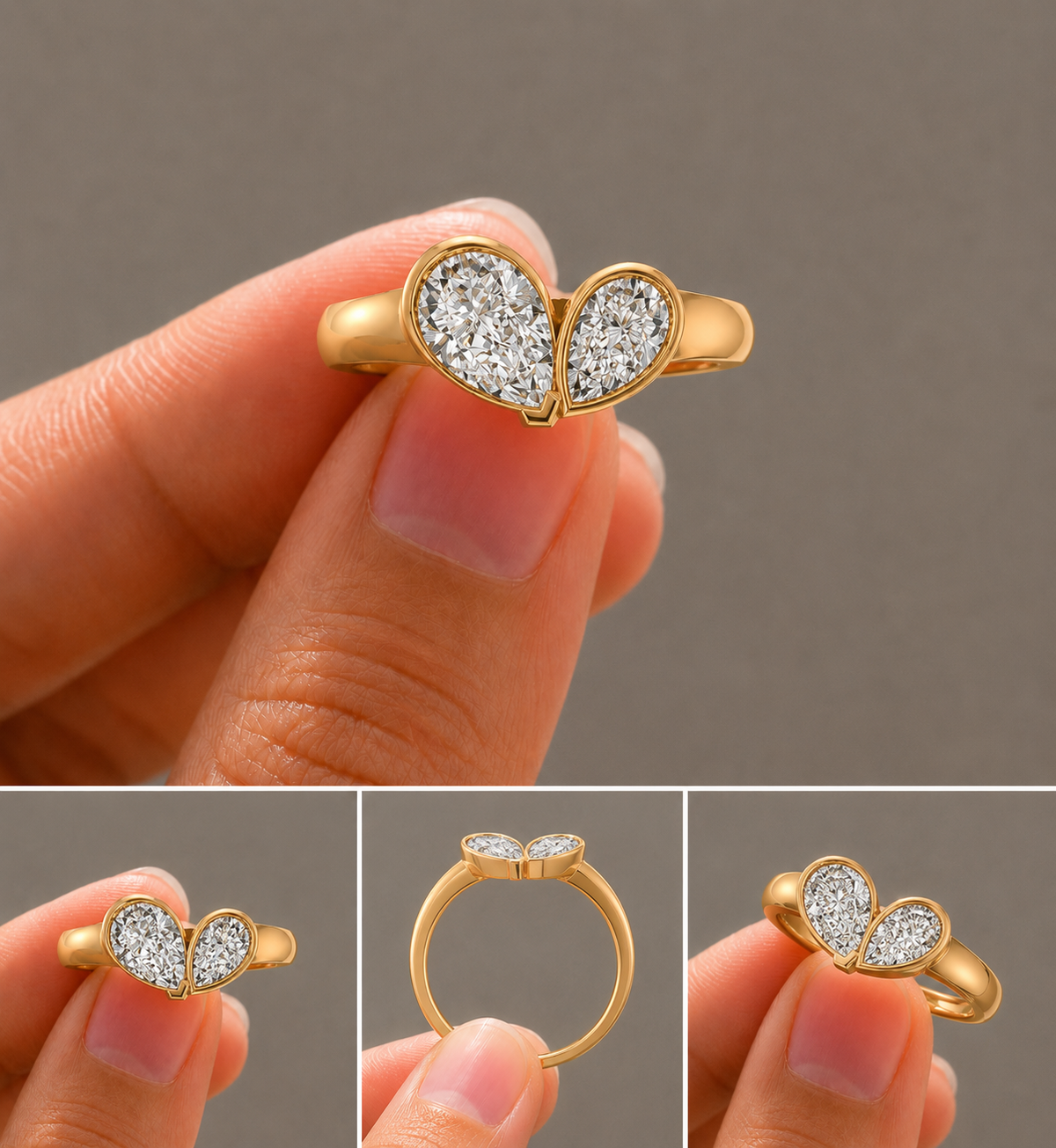
Pear Toi et Moi Heart Engagement Ring | Lab-Grown Diamond
Regular price From Rs. 118,222Regular price -

-
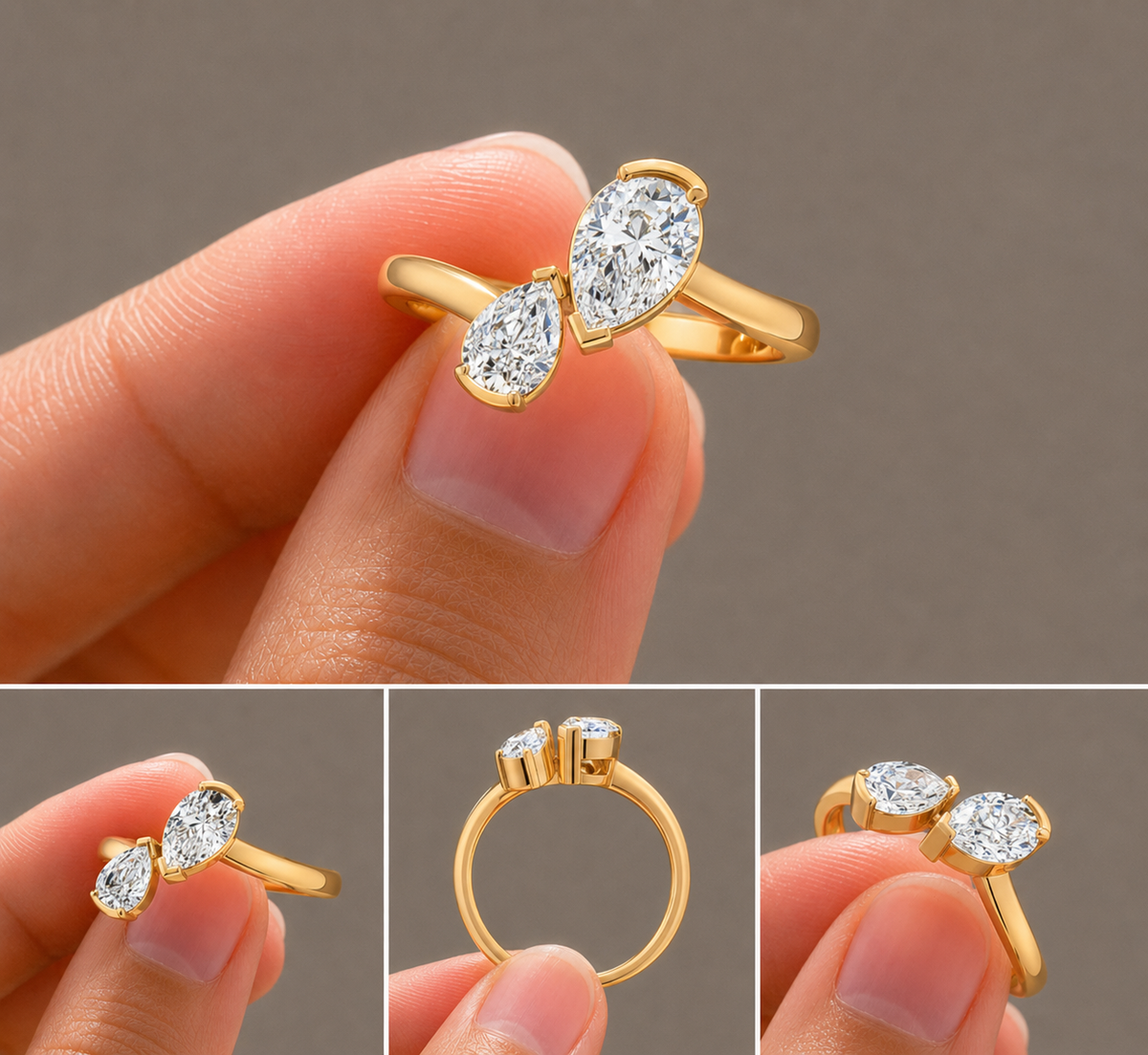
Mother Daughter Pear Toi et Moi Ring | Lab-Grown Diamond
Regular price From Rs. 64,484Regular price -
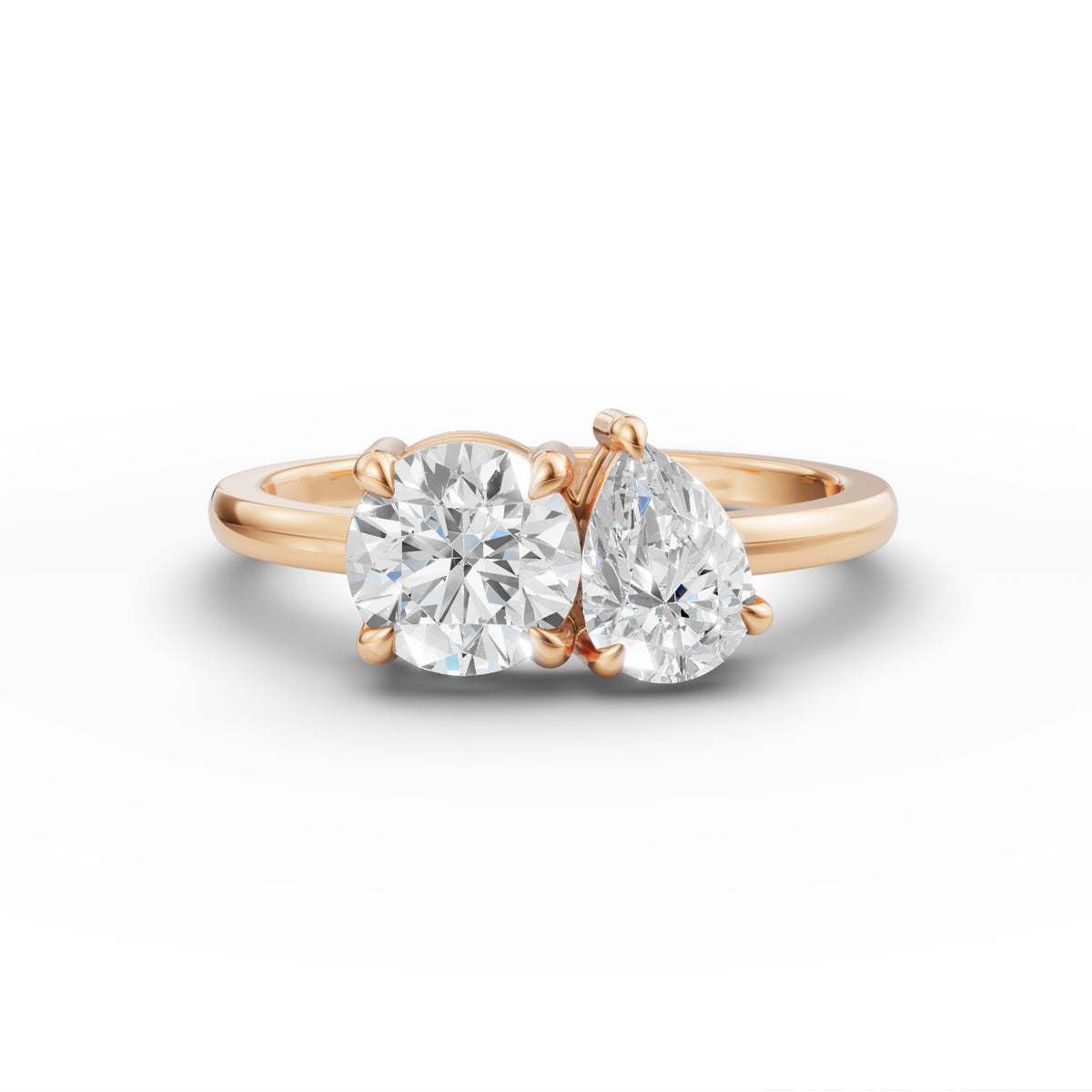
Round & Pear Toi et Moi Engagement Ring | Lab-Grown Diamond
Regular price From Rs. 67,452Regular price -
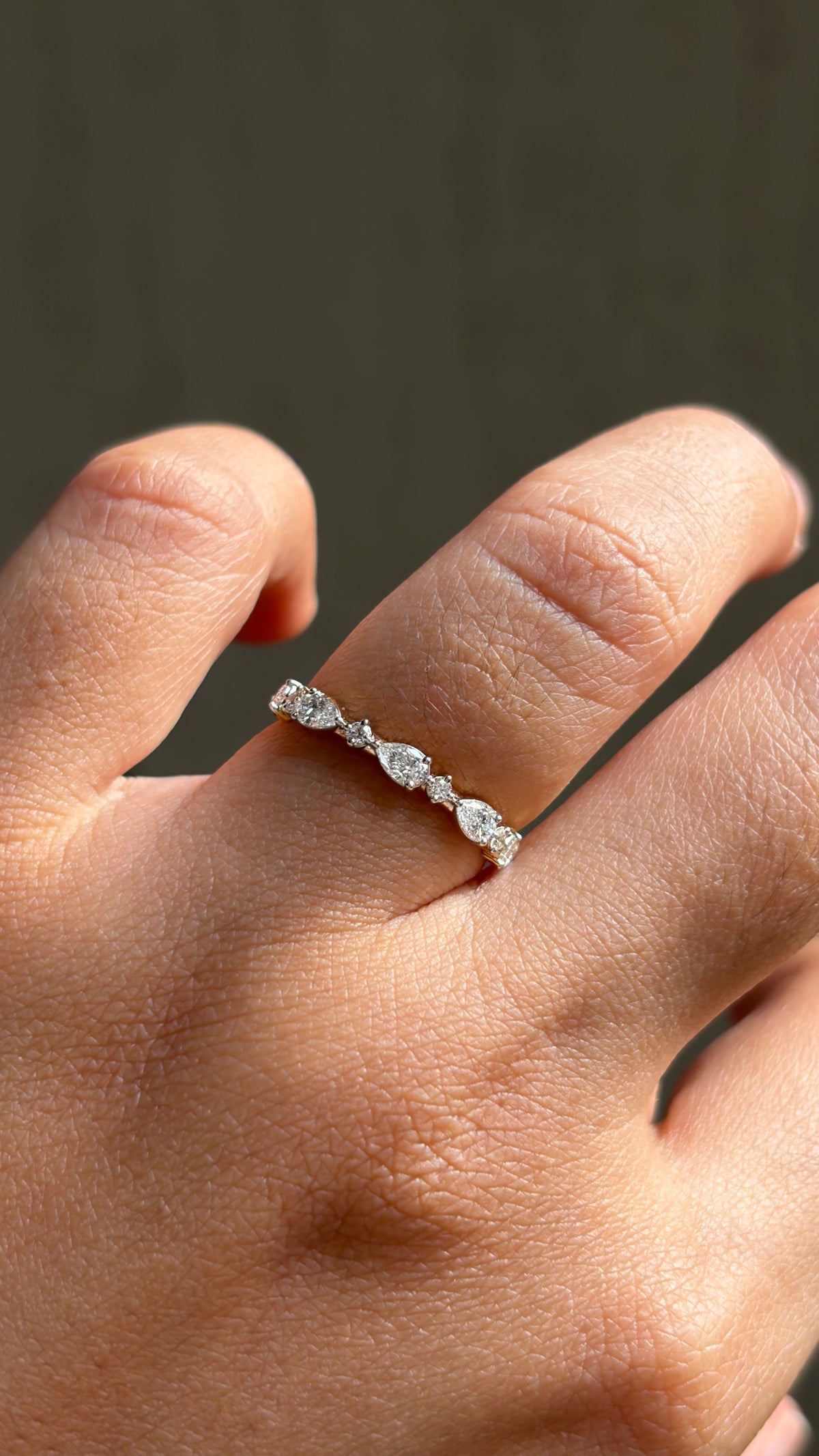
Pear & Round Diamond Stack Ring
Regular price From Rs. 30,438Regular price







About Pear-Shaped Lab-Grown Diamond Engagement Rings — a buying guide
The rounded end gives the stone genuine brilliance, so a pear sparkles in a way step cuts do not. The point gives it length, so it covers more surface area per carat than a round and lengthens the finger.
It is also directional in a way no other common shape is. Worn point-up, it draws the eye along the finger. Worn point-down, it reads very differently. Both are correct, and it is worth trying the ring on both ways before deciding.
Symmetry. Draw an imaginary line from the point to the centre of the rounded end. Both halves should mirror exactly. The shoulders should be evenly rounded, with no flat spots and no visible corners where the curve meets the point.
The bow-tie. As with ovals and marquise cuts, a dark band can sit across the centre. Faint is normal. Prominent means the stone was cut for weight rather than beauty.
The point. It should be sharp and properly aligned. A pear whose point sits off-axis will look wrong on the hand and cannot be corrected by setting.
The tip of a pear is its weak spot. A V-prong that cups the point is standard and necessary. A bezel is the most protective option and works particularly well with pears set east-west. Every pear setting in this collection covers the point.
- Try it both orientations. Point-up and point-down are genuinely different rings.
- Length-to-width around 1.45 to 1.75 is the classic range.
- V-prong or bezel on the point, always.
- Pears pair unusually well in toi et moi settings, matched with a round or an oval.
Ten pear designs in 14K and 18K gold with IGI-certified lab-grown diamonds — solitaires, crescent settings, bezels, halos and toi et moi pairings.
Every ring ships with its certificate, insured worldwide delivery, lifetime exchange and free resizing. Visit our studio in Borivali West, Mumbai, or book a free virtual consultation.


